ViralNow quick read
Why this story is worth your attention
Fake giveaway posts spread because they look harmless: a free phone, a shopping card, a travel voucher, or a prize that only asks for a quick share. The safest habit is simple: pause before you click, verify the source, and never enter private details through a random social post.
A fake giveaway post usually works because it feels small. You see a familiar brand name, a smiling photo, and a line that says only a few winners will be chosen today. It may ask you to comment, share, tag friends, or fill out a form before the timer runs out.
That pressure is the trap. Real promotions can exist, but fake giveaway posts are designed to move you faster than your judgment. They borrow logos, copy comments, and use urgent language so people share first and check later.
This guide explains how to spot fake giveaway posts before they waste your time or put your personal information at risk. The goal is not to make you suspicious of everything online. It is to give you a calm checklist you can use in less than a minute.
What fake giveaway posts are really trying to do
Most fake giveaway posts are not created just for attention. They usually want one of four things: traffic, personal details, account access, or payment information. Some pages collect likes and followers so they can be renamed and sold later. Others send people to forms that ask for an email address, phone number, home address, or card details.
A common version looks like this: a post claims a store has extra stock, damaged boxes, or returned items. The post says the company will give away the products instead of throwing them away. To enter, you must share the post, comment a phrase, and click a link to ?register.?
That scenario is powerful because it feels believable. Stores do run promotions. Brands do use social media. People do win prizes. The difference is that real promotions are usually connected to an official account, clear rules, and a company website that matches the brand.
The FTC?s consumer scam advice repeatedly warns people to be cautious when online messages ask for money, information, or fast action. That same mindset applies to giveaways: if the post pushes you to act before you can verify it, slow down.
Seven signs a giveaway post may be fake
The first warning sign is a page name that is close to a real brand but not exact. Scammers may add words like ?official,? ?support,? ?rewards,? or ?promo? to look legitimate. Open the profile and check its history. If it was created recently or has very few older posts, be careful.
The second sign is poor or inconsistent branding. A fake post may use a blurry logo, mismatched colors, copied product photos, or a page banner that does not match the company?s real style. One imperfect image does not prove a scam, but several sloppy details together are a red flag.
The third sign is urgency. Phrases like ?today only,? ?last chance,? ?first 100 people,? or ?claim within 10 minutes? are meant to shut down your thinking. Real promotions can have deadlines, but they still give you official terms and a clear way to verify the offer.
The fourth sign is a suspicious link. Hover over the link on desktop, or press and hold carefully on mobile without opening it. If the web address is shortened, misspelled, full of random characters, or not connected to the real company domain, do not enter details there.
The fifth sign is a request to share before you can enter. Scammers love this because it turns regular users into free distribution. A post that requires you to tag many friends, share to multiple groups, or comment the same phrase again and again may be farming reach rather than running a real promotion.
The sixth sign is a prize that feels too broad or too generous. ?Everyone who shares wins a $500 card? should make you pause. Big companies can run sweepstakes, but they usually limit eligibility, publish rules, and explain how winners are chosen.
The seventh sign is a form asking for more information than necessary. A giveaway should not need your banking details, account password, one-time login code, or full identity documents. If a prize requires payment to receive it, treat that as a serious warning sign.
A quick 60-second check before you share
Before sharing any giveaway, ask three questions. First, did this come from the brand?s verified or clearly official page? Second, does the link go to the company?s real website? Third, are the rules clear enough that a normal person can understand how winners are chosen?
If one answer is no, pause. Search for the promotion on the company?s official website or official social profile. You can also search the exact giveaway phrase in quotes. If the same wording appears across many unrelated pages, it may be copied bait.
Next, check the comments. Fake posts often have repeated comments that sound unnatural, such as dozens of people saying the same short sentence. Some comments may claim they already won, but the profiles look empty or unrelated. Real comments are usually messier and more varied.
Finally, ask what the post wants from you. If it only wants you to read official rules on a real site, that is different from a post asking for your password, card number, or a payment to ?unlock? a prize. The more private the request, the more careful you should be.
What to do if you already clicked
If you clicked a fake giveaway link but did not enter anything, close the page and avoid downloading files. If you entered an email address or phone number, watch for follow-up messages. Scammers may send more convincing messages later because they know you responded once.
If you entered a password, change it immediately on the real website or app, not through the giveaway link. Use a unique password you do not use anywhere else. Turn on multi-factor authentication if the account supports it.
If you entered payment details, contact your bank or card provider through the number on the back of your card or the official app. Do not use a number sent by the suspicious page. Explain what happened and ask what protective steps they recommend.
If the message came through email, text, or direct message, the CISA phishing guidance recommends reporting suspicious messages and avoiding unknown links or attachments. Reporting helps platforms and providers remove scams faster.
How real giveaways usually look
A legitimate giveaway usually has a few boring details. That is a good thing. It often includes dates, eligibility rules, prize descriptions, winner selection details, and legal terms. It may link to an official website page with the same branding as the company?s normal site.
Real giveaways also do not need your password. They do not ask for a one-time login code. They do not require you to pay a delivery fee before you can see official rules. They usually do not pressure you to invite every friend before you know whether the promotion is real.
Here is a simple example. A real local bookstore might post a giveaway for one signed book, link to a page on its own website, list an end date, and say the winner will be contacted from the official account. A fake version might copy a famous publisher?s logo, promise hundreds of free tablets, and send users to a strange form that asks for card details.
The difference is not only the prize. It is the path. Real promotions keep you inside official channels. Fake giveaway posts pull you into unfamiliar pages where the rules keep changing.
Why smart people still fall for fake giveaway posts
People do not share fake giveaways because they are foolish. They share them because the posts are designed around normal human behavior. Free things are exciting. Deadlines create pressure. Comments from other people create social proof.
Scammers also know that people are often browsing on small screens. A logo that would look fake on a desktop may seem convincing on a phone. A strange web address may be hidden behind a button. A rushed reader may not notice that the page name is one letter off.
That is why the best defense is not embarrassment after the fact. It is a repeatable habit before the click. Pause, check the source, inspect the link, and ask whether the request makes sense for the prize.
Final takeaway
Fake giveaway posts survive because they turn hope into speed. They want you to share quickly, click quickly, and enter details before you have time to verify anything. A real opportunity will still look real after you slow down.
Before you share the next ?free gift card? or ?warehouse giveaway,? use the 60-second check. Look at the page history, inspect the link, compare it with the official brand site, and refuse any request for passwords, codes, or payment details. That small pause can protect your account, your money, and the friends who trust what you share.
FAQ
How can I tell if a giveaway post is fake?
Check the account history, the link, the rules, and the information requested. If the page is new, the link is strange, the prize is unrealistic, or the form asks for private details, treat it as suspicious.
Are all social media giveaways scams?
No. Many brands and creators run real giveaways. The safer approach is to verify that the promotion appears on an official account or official website before you click or enter.
Should I share a giveaway to enter?
Be careful. Some real promotions ask for engagement, but fake posts often require mass sharing to spread quickly. Verify the source and rules first, especially if a link asks for personal information.
What should I do if I gave my details to a fake giveaway?
Change any exposed passwords, turn on multi-factor authentication, monitor messages and accounts, and contact your bank if payment information was entered. Report the post to the platform.
Internal link anchor text ideas
- 60-second scam test before you tap a winner message
- how to check if a viral video is AI-generated
- today?s ViralNow trend briefing
Image alt-text suggestions
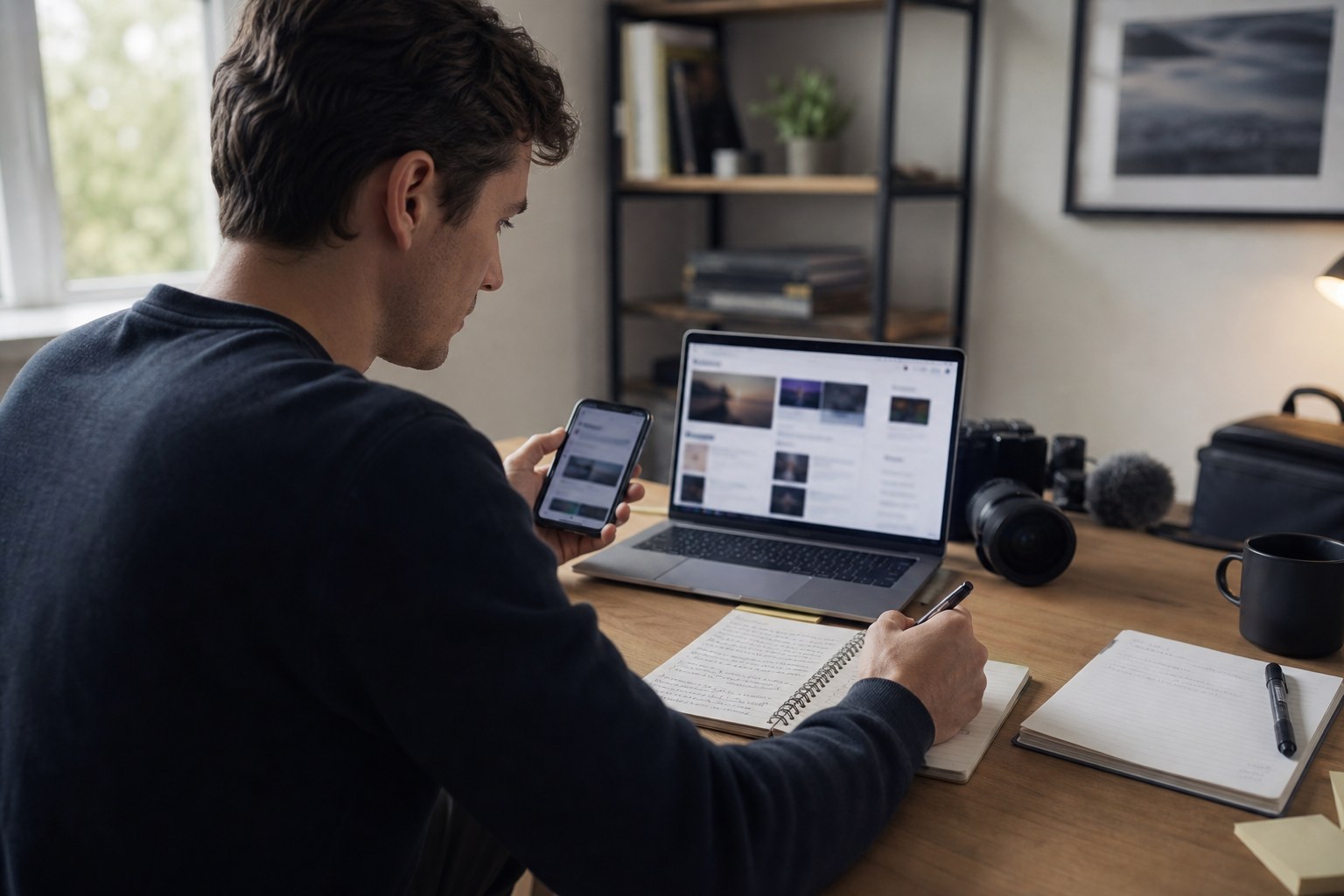
- Person checking a suspicious fake giveaway post on a phone
- Fake giveaway warning checklist with social media icons
Related reads: Before You Tap That Winner Message, Is That Viral Video AI?, and ViralNow Today.
- Look beyond the first reaction and notice the choices that shape the moment.
- Context makes a memorable story more useful, accurate, and respectful.
- The best stories reward attention instead of merely demanding it.