Brent Crude Hits $100 as Middle East Tensions Surge
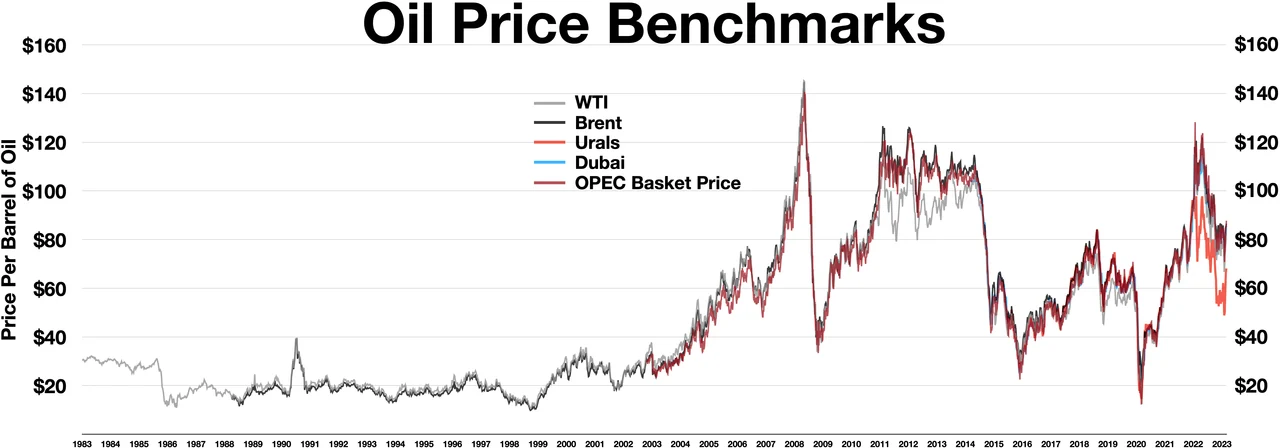
Why It's Trending: Global energy markets are reacting violently as geopolitical tensions in the Middle East escalate into active conflict zones. The breach of the psychological $100-per-barrel threshold for Brent crude has instantly triggered alarms across international financial systems. Traders and analysts are closely monitoring potential disruptions to critical maritime shipping lanes and oil production facilities.
The Reality Check: While the $100 price point marks a significant psychological barrier, sustained high energy costs will heavily depend on the duration and geographic spread of the current regional hostilities. Central banks and policymakers are already weighing the inflationary pressures this surge introduces to recovering global economies.
Global energy markets reached a critical inflection point today as Brent crude breached the closely watched $100-per-barrel threshold. Driven by a rapidly intensifying conflict in the Middle East, the sudden price surge has sent shockwaves through international stock exchanges and commodity trading floors. Investors are increasingly anxious about potential supply bottlenecks in one of the world’s most vital petroleum-producing regions.
The Catalyst: Escalating Middle East Tensions
The latest upward trajectory in crude prices is directly tied to mounting geopolitical instability across the Middle East. With key shipping routes and regional infrastructure facing heightened security risks, energy traders have quickly priced in a worst-case scenario regarding supply disruption. Historically, any credible threat to output in this region triggers immediate volatility, but crossing the triple-digit mark underscores the severity of the current diplomatic and military stalemate.
“Energy markets are currently pricing in a severe risk premium as geopolitical fault lines expand across the Middle East,” notes energy market strategist Sarah Jenkins. “When Brent crosses $100, it fundamentally changes the macroeconomic conversation.”
The immediate fallout is being felt far beyond the oil pits:
- Retail fuel prices are projected to climb steadily in the coming weeks, squeezing consumer discretionary spending.
- Airlines, shipping conglomerates, and heavy manufacturing sectors face immediate margin compression from soaring fuel expenditures.
- Central banks monitoring stubborn inflation metrics now face renewed pressure as energy costs ripple through broader supply chains.
Economic Implications and Market Outlook
As governments and international energy agencies assess the situation, the overarching concern is the durability of these elevated prices. If the conflict remains contained, some analysts anticipate a gradual stabilization through strategic reserve releases or increased output from non-OPEC producers. However, a prolonged escalation threatens to push global inflation higher and potentially cool economic growth worldwide.
💡 Frequently Asked Questions
❓ Why did Brent crude cross $100 a barrel?
The price surge was driven by escalating military and geopolitical conflicts in the Middle East, which heightened fears of critical supply chain and production disruptions.
❓ How will this impact everyday consumers?
Consumers can expect higher prices at the gasoline pump, alongside increased costs for goods and services reliant on transportation and energy inputs.
❓ Are governments planning to release strategic reserves?
International energy agencies and major economies are closely monitoring the situation and evaluating potential coordinated releases from strategic petroleum reserves to stabilize markets.
🔥 Recommended For You
Touch to Read Next
The Keytar King: The BGT Audition That Left Alesha Dixon Speechless

S&P 500 Breaks 50-Day Moving Average Amid Soaring Oil and Yields

U.K. Parliament Rejects Landmark Assisted Dying Bill