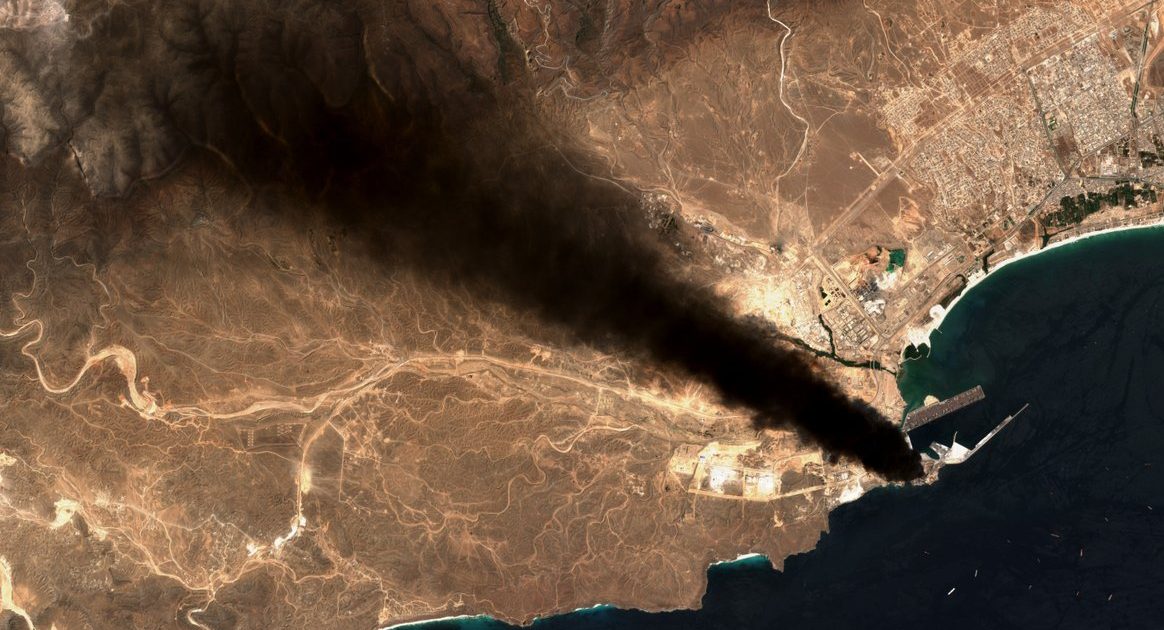
The geopolitical landscape of the Middle East is facing its most critical test in months following a dramatic escalation involving United States military operations against Iranian shipping infrastructure. According to regional reports highlighted by Al Jazeera, US forces executed targeted strikes against five Iranian oil tankers, disrupting critical supply routes and directly challenging Tehran’s economic lifelines.
The Timeline of Escalation and Maritime Strikes
The sequence of events began with the identification and subsequent targeting of five oil tankers operated by Iran. Maritime security analysts note that these operations represent a significant hardening of Western enforcement strategies against illicit oil smuggling and state-backed economic maneuvering. The immediate aftermath of the maritime assaults saw an urgent mobilization across Iranian command structures, leading directly to a counter-strike.
This direct exchange of kinetic force removes any remaining ambiguity about the fragile state of deterrence in the region. We are witnessing a transition from shadow warfare to open confrontation.
In response to the maritime assault, Tehran mobilized regional proxies and conventional assets to launch retaliatory strikes. Strategic positions inside Jordan became the focal point of these counter-attacks, testing the air defense capabilities of regional partners and drawing immediate condemnation from Western capitals.
Global Implications and Regional Security Realities
The ramifications of these coordinated strikes extend far beyond the immediate blast radius:
- Energy Markets: Global crude prices experienced immediate volatility as traders factored in potential disruptions to Persian Gulf shipping lanes.
- Regional Stability: Jordan’s involvement and positioning highlight the vulnerability of neighboring states caught in the crossfire of US-Iran flashpoints.
- Military Readiness: Coalition air defense systems across the Middle East remain on maximum alert anticipating further retaliatory waves.
As diplomatic channels strain under the weight of active military engagements, international observers are closely monitoring whether this cycle of action and reaction can be contained or if it will cascade into a broader regional conflict.
The US military targeted five Iranian oil tankers as part of escalated efforts to curtail illicit maritime shipping and economic operations linked to Tehran.
Iran retaliated by launching targeted drone and missile strikes directed at strategic positions located within Jordan.
Global energy markets reacted with immediate volatility and price fluctuations due to fears of disrupted shipping lanes and expanded regional conflict.
💡 Frequently Asked Questions
❓ What triggered the US attacks on Iranian oil tankers?
❓ How did Tehran respond to the maritime strikes?
❓ What are the immediate economic consequences?