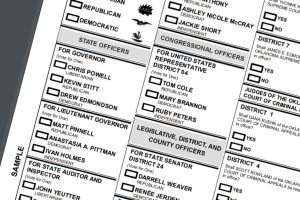
The political landscape of the United States shifted dramatically tonight as election results rolled in, confirming a high-stakes victory for Roy Cooper in the North Carolina Senate race. As the dust settles on the 2026 midterms, the balance of power in Washington is undergoing a palpable transformation, with early indicators suggesting that Democrats are poised to reclaim significant ground in the House of Representatives.
The North Carolina Shift and Senate Dynamics
Roy Cooper’s successful bid for the Senate seat serves as a bellwether for the broader national mood. By securing this critical state, Democrats have effectively blunted Republican efforts to solidify an impenetrable majority. The race was characterized by intense grassroots mobilization and a focus on key economic issues that resonated deeply with suburban voters.
The outcome in North Carolina is not just a win for the candidate; it is a clear referendum on the legislative priorities currently being debated in D.C.
Key takeaways from the current electoral data include:
- Roy Cooper’s decisive margin in North Carolina has provided a crucial buffer for the Democratic Senate caucus.
- House races across the Rust Belt are currently leaning toward Democratic challengers, narrowing the path for a Republican speakership.
- Voter turnout in key battleground districts has exceeded expectations, suggesting high levels of political engagement across the partisan divide.
Implications for the 2026 Legislative Agenda
With the House now ‘leaning’ Democratic according to current projections, the legislative outlook for the remainder of the term faces a potential gridlock or a major pivot in policy direction. If these trends hold, the ability for the current administration to pass executive-backed legislation will be significantly bolstered, though the margin remains slim enough to necessitate bipartisan cooperation on major fiscal bills.
As the final precincts report their tallies, the focus shifts to whether these trends will hold in the deep-red rural districts where late-night counting often favors Republican margins. For now, the narrative of the 2026 midterms is being defined by a Democratic resurgence that few pollsters predicted just months ago.
Roy Cooper has secured a victory in the North Carolina Senate race, and current projections indicate that control of the House of Representatives is leaning toward the Democratic party.
This result shifts the balance of power in the Senate and suggests a potential change in the legislative trajectory for the remainder of the term, impacting everything from fiscal policy to judicial appointments.
Election officials will continue to process remaining ballots, particularly in close House races where mail-in and provisional ballots could determine the final composition of the chamber.
💡 Frequently Asked Questions
❓ What is the key update from the 2026 midterms?
❓ Why is this election result significant?
❓ What happens next in the counting process?