When Dementia Patients Grow Lucid Near the End
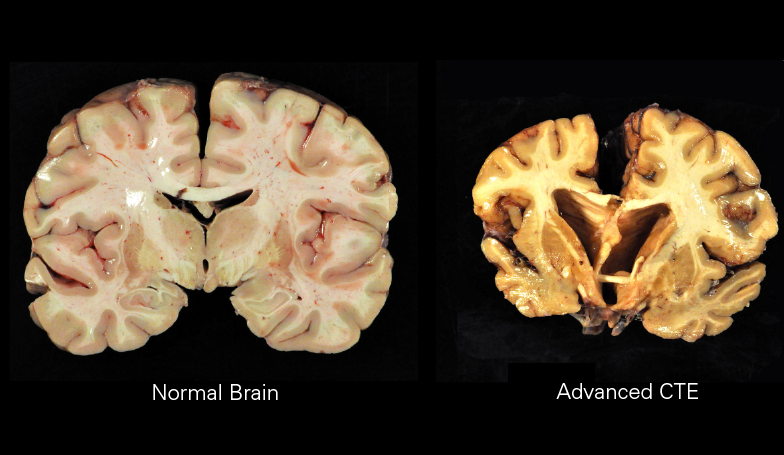
Why It's Trending: Recent reporting by The Washington Post has brought renewed attention to the baffling phenomenon of terminal lucidity in dementia patients. Families and medical professionals alike are sharing these profound moments, driving intense scientific curiosity. Researchers are now racing to understand if these fleeting memories hold the key to treating cognitive decline.
The Reality Check: While terminal lucidity remains rare and poorly understood, it offers a profound emotional comfort to families while providing researchers with a unique window into brain plasticity. However, scientists caution that these moments do not indicate a reversal of the underlying neurodegenerative disease.
For families watching a loved one slip away into the fog of advanced dementia, a sudden return of clarity can feel like a miraculous final gift. Known medically as terminal lucidity or paradoxical lucidity, this phenomenon occurs when patients who have been non-communicative or deeply confused suddenly recognize relatives, speak clearly, and display their former personalities just days or hours before death.
The Medical Mystery of Terminal Lucidity
For generations, terminal lucidity was largely confined to hospice anecdotes and caregiver folklore. Today, neurologists and researchers are taking a closer look at these unexpected awakenings. The central question puzzling the medical community is how a brain suffering from extensive, irreversible physical damage—such as the plaque buildup of Alzheimer’s disease—can suddenly reactivate complex neural networks to produce coherent thought and memory.
“It defies our current understanding of neurodegeneration, suggesting that dormant pathways might still be intact and capable of firing under the right conditions.”
Scientists are exploring several hypotheses, ranging from sudden shifts in neurotransmitter levels to the brain routing around damaged areas in a final surge of energy. Understanding the precise mechanism could revolutionize how we view cognitive resilience and terminal care.
What This Means for Dementia Research
Beyond the deeply emotional impact on families, studying terminal lucidity could unlock crucial clues for future therapeutic interventions. Researchers hope that identifying the biological triggers behind these brief windows of clarity might eventually help scientists develop treatments that harness similar mechanisms to slow down or even temporarily reverse cognitive decline.
- Brings profound, unexpected comfort to grieving families.
- Challenges traditional medical assumptions about permanent neural pathway destruction.
- Provides a vital new avenue for neurological and Alzheimer’s research.
Ultimately, while these moments remain unpredictable and rare, they serve as a powerful reminder of the human mind’s enduring complexity and resilience, even in the face of devastating disease.
💡 Frequently Asked Questions
❓ What is terminal lucidity in dementia patients?
Terminal lucidity is a rare phenomenon where patients with advanced dementia or cognitive decline suddenly regain their memory, clarity, and personality shortly before death.
❓ Is terminal lucidity scientifically proven?
Yes, while difficult to study systematically, medical professionals widely document these occurrences, and researchers are actively investigating the underlying neurological causes.
❓ Does lucidity mean the dementia is curing itself?
No. Terminal lucidity does not reverse neurodegenerative diseases; it is a temporary, final surge or shift in brain function occurring near the end of life.
🔥 Recommended For You
Touch to Read Next
USMNT Post-World Cup Squad: Cavan Sullivan In, Pulisic Out

OpenAI Targets Wall Street Junior Bankers With New ChatGPT Tool
Oil Hits $100 as US-Iran Conflict Escalates: Gas Prices Surge