Oil Hits $100 as US-Iran Conflict Escalates: Gas Prices Surge
Why It's Trending: The direct military escalation between the United States and Iran has sparked immediate fears of a major supply disruption in the Middle East. Oil crossing the $100-a-barrel threshold is a psychological and economic trigger point that historically signals rising inflation. Global markets are reacting to the increased risk premium as energy security takes center stage.
The Reality Check: The surge to $100 reflects a 'fear premium' in the market rather than a physical shortage of oil at this exact moment. However, if the conflict expands to affect the Strait of Hormuz, consumers should prepare for sustained highs at the gas pump.
The global energy landscape shifted violently overnight as crude oil prices breached the $100-per-barrel ceiling, a level not seen with such volatility in months. The catalyst: a series of retaliatory military strikes between the United States and Iran that have effectively ended the period of relative stability in the energy markets. As news of the attacks broke, Brent and West Texas Intermediate (WTI) crude benchmarks surged, sending a ripple of anxiety through Wall Street and onto the main streets of every town where gasoline prices are already ticking upward.
A Flashpoint in the Middle East: The Catalyst for the Surge
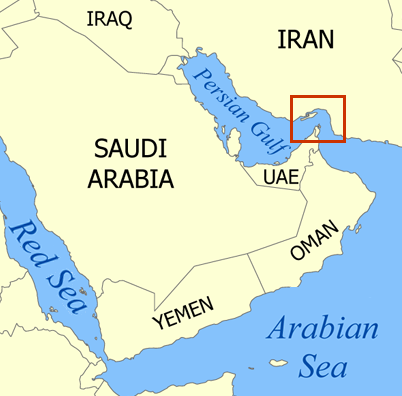
The sudden price hike is a direct response to the heightened risk of a regional war that could jeopardize the world’s most critical oil transit routes. Market analysts suggest that traders are now pricing in the possibility of a total blockade or significant disruption in the Persian Gulf. The precision and scale of the latest attacks indicate a departure from proxy warfare toward direct confrontation, a scenario that energy experts have long feared.
- Military Escalation: New strikes involving US assets and Iranian forces have targeted strategic infrastructure.
- Market Reaction: Brent crude jumped over 4% within hours of the reports, breaking the $100 resistance level.
- Supply Chain Anxiety: The Strait of Hormuz, through which a fifth of the world’s oil passes, is now considered a high-risk zone.
“The market is no longer just watching the headlines; it is pricing in the reality of a kinetic conflict in the heart of the world’s oil-producing region,” noted one senior energy analyst.
Pain at the Pump: The Immediate Impact on Consumers
For the average consumer, the geopolitical chess match translates into immediate financial pressure. Retail gasoline prices have already begun to jump in anticipation of higher refining costs. This surge comes at a precarious time for the global economy, as central banks struggle to keep inflation under control. Higher energy costs act as a ‘hidden tax’ on consumers, reducing discretionary spending and threatening to slow down economic growth just as recovery seemed within reach.
While the US has increased domestic production in recent years, the oil market remains a globalized entity. A shock in the Middle East inevitably raises prices everywhere, from the ports of Rotterdam to the gas stations of the American Midwest. The coming weeks will be critical as diplomats scramble to de-escalate the situation before the $100 price point becomes the new, painful normal.
💡 Frequently Asked Questions
❓ Why did oil prices go above $100?
Oil prices surged past $100 due to direct military attacks between the US and Iran, which increased fears of a major supply disruption in the Middle East and added a 'risk premium' to global crude benchmarks.
❓ How will this affect my local gas prices?
Gasoline prices typically follow crude oil trends; as oil hits $100, refineries pass the higher costs to consumers, leading to an almost immediate jump in prices at the pump.
❓ Will oil prices stay above $100?
The duration of this price surge depends on whether the conflict escalates further or if diplomatic efforts can stabilize the region. If supply routes like the Strait of Hormuz remain open, prices may eventually retreat.
🔥 Recommended For You
Touch to Read Next
RI Governor Primary 2026: McKee vs. Foulkes Live Results
S&P 500 Breaks 50-Day Moving Average Amid Soaring Oil and Yields

Pennsylvania Woman Dies From Probable Measles Complications