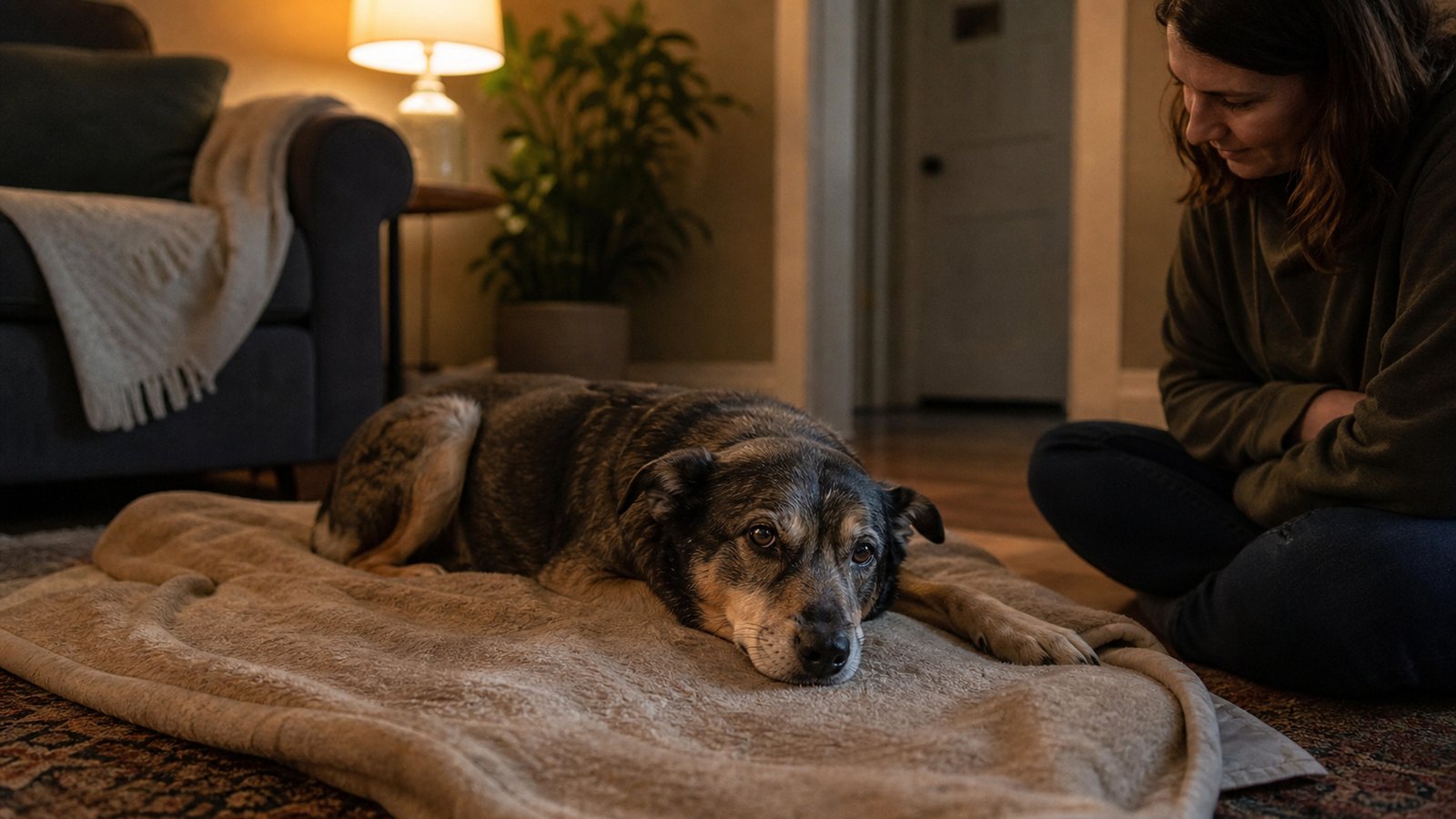
The first evening in a foster or adoptive home may look quiet on camera. An animal circles a blanket, drinks water, listens to unfamiliar sounds, and finally chooses a place to rest. Those small changes can be deeply moving because safety is becoming visible.
Calm is more important than a dramatic reaction
Not every rescued animal immediately seeks affection. Some need distance and predictable routines. A responsible video allows that hesitation instead of forcing contact for an emotional scene.
Observable behavior tells the story
Creators can describe what viewers actually see: slower breathing, relaxed posture, eating, exploring, or choosing to approach. They should avoid claiming to know an animal’s entire past from one expression.
The camera should not add pressure
Bright lights, repeated takes, crowds, and constant touching can make adjustment harder. Short documentation from a respectful distance protects the animal’s experience.
- Provide a quiet retreat.
- Follow veterinary and rescue guidance.
- Keep other animals separated initially when advised.
- Protect addresses and adopter information.
Credit the care network
Shelter staff, transport volunteers, veterinarians, fosters, and donors may all contribute. Naming organizations accurately can direct attention toward practical support instead of only one emotional clip.
Share progress without promising perfection
Adjustment may take days or months. Updates should acknowledge setbacks and avoid suggesting that love alone solves every medical or behavioral need.
First-night videos move viewers because they show a beginning rather than a finished transformation. When filmed patiently, one quiet moment of rest can communicate what responsible rescue is trying to provide: safety, choice, and time.
- Look beyond the first reaction and notice the choices that shape the moment.
- Context makes a memorable story more useful, accurate, and respectful.
- The best stories reward attention instead of merely demanding it.