Stock Market Slips After Hot PPI Reading & Oil Surge

Why It's Trending: Wall Street faced renewed selling pressure today as wholesale inflation figures came in hotter than anticipated, immediately rattling investor confidence. Compounding the economic jitters, crude oil prices and Treasury yields surged higher across the board. The convergence of these macroeconomic pressures has sparked widespread debate over the Federal Reserve's next interest rate moves.
The Reality Check: Persistent inflationary signals continue to challenge market optimism, forcing traders to reprice expectations for future central bank policy. While volatility remains elevated, structural economic resilience will likely dictate the market's trajectory through the end of the quarter.
Wall Street experienced a notable pullback today as investors digested a wave of sobering economic data. Major U.S. stock indexes slipped into negative territory following the release of the latest Producer Price Index (PPI), which revealed that wholesale inflation remains stickier than anticipated. The warm inflation reading immediately sent shockwaves through the financial sector, triggering an upward surge in Treasury yields and sending crude oil prices climbing higher.
Hotter PPI Sparks Renewed Inflation Worries
The core catalyst for today’s market downturn was the latest government data showing wholesale prices rising faster than forecasted. Analysts had generally expected a cooling trend, but the stubborn PPI figures exposed underlying cost pressures working their way through the supply chain. This unexpected bump has complicated the narrative surrounding the economy’s path toward price stability.
“Inflation is proving to be a resilient opponent, and the market is recalibrating its expectations to account for higher-for-longer interest rates.”
Following the data release, fixed-income markets reacted swiftly. Treasury yields surged as bond investors demanded higher returns to offset persistent inflation risks. Higher yields historically act as a headwind for equities—particularly high-growth technology and consumer discretionary sectors—by increasing borrowing costs and diminishing the present value of future corporate earnings.
Commodity Pressures and Geopolitical Headwinds
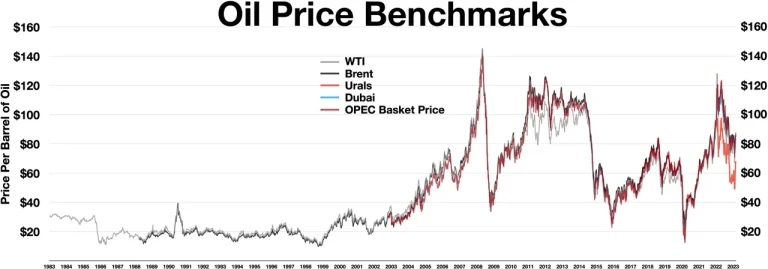
Adding to the day’s market friction, oil prices rallied significantly amid tightening global supply concerns and ongoing geopolitical tensions in key energy-producing regions. Higher energy costs directly feed into transportation and manufacturing expenses, further reinforcing the inflationary cycle that central bankers are desperate to break.
- Major indexes including the S&P 500, Dow Jones, and Nasdaq all registered losses.
- Treasury yields climbed across multiple maturities, reflecting heightened rate anxieties.
- Crude oil futures jumped, driven by supply concerns and robust demand forecasts.
As the trading session concludes, investors are left parsing through conflicting economic signals. While corporate earnings have generally remained resilient, the macro environment is undeniably tightening. Market participants will be watching upcoming Federal Reserve commentary closely for any shifts in monetary policy tone in response to these latest inflation prints.
💡 Frequently Asked Questions
❓ What caused the stock market to slip today?
Major indexes fell because the latest Producer Price Index (PPI) inflation reading came in hotter than expected, sparking fears that interest rates will stay higher for longer.
❓ How did Treasury yields and oil prices react?
Both Treasury yields and crude oil prices surged significantly following the inflation report, driven by heightened rate anxieties and tightening commodity supplies.
❓ What does this mean for Federal Reserve policy?
The sticky inflation data complicates the Fed's timeline for potential interest rate cuts, keeping investors on edge regarding future monetary tightening.
🔥 Recommended For You
Touch to Read Next
Cargo Jet Tried Aborting Landing Before Miami Crash: Flight Data

U.K. Parliament Rejects Landmark Assisted Dying Bill
Trump Escalates Trade War With Canada Import Bans & Tariffs