Brent Crude Hits $100: Middle East Conflict Shakes Global Markets
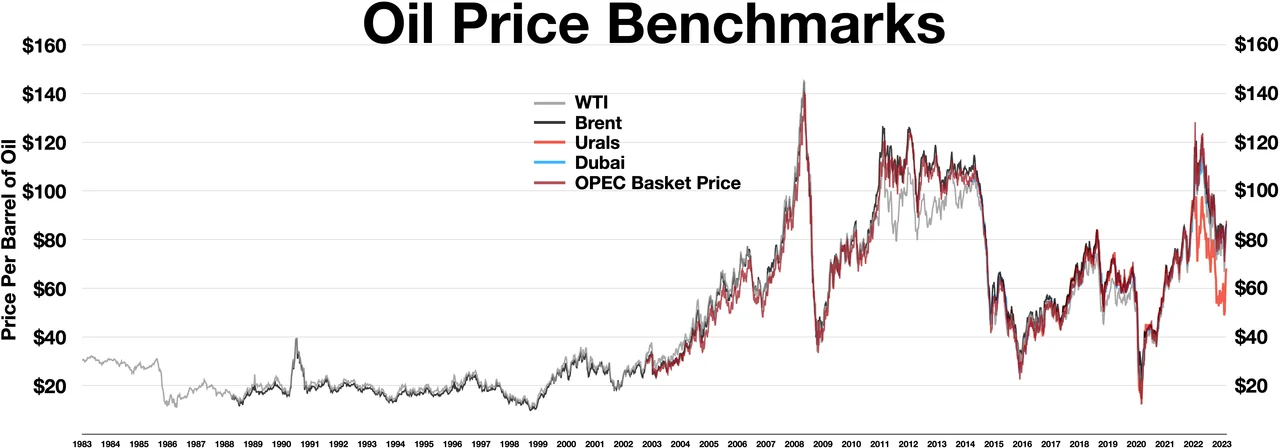
Why It's Trending: Oil prices have breached the critical $100-per-barrel threshold for the first time in months, triggering immediate global economic concern. The surge is directly linked to an escalation in Middle East hostilities, raising fears of a major supply disruption. Investors are now pivoting toward safe-haven assets as energy market volatility reaches a fever pitch.
The Reality Check: The breach of $100 oil is a psychological and economic tipping point that could reignite cooling inflation across Western economies. While supply remains steady for now, the 'fear premium' is driving prices, meaning any further regional escalation will likely push costs even higher at the pump.
For the first time in months, the global energy benchmark Brent crude has breached the $100-a-barrel ceiling, a move that signals deep-seated anxiety over the stability of Middle Eastern supply chains. As conflict in the region intensifies, the energy sector is bracing for a period of extreme volatility that could have far-reaching consequences for the global economy.
Geopolitical Tensions Fuel Market Volatility
The sudden spike in prices comes on the heels of reports indicating a significant escalation in regional hostilities. Traders and analysts are no longer just monitoring the situation; they are pricing in a ‘war premium’ that reflects the very real possibility of infrastructure damage or the closure of vital shipping lanes. The Reuters report highlights that the speed of the ascent caught many by surprise, as the market moved from cautious optimism to defensive positioning in a matter of hours.
“The market is pricing in a significant risk premium as the threat of a wider regional conflict looms over key production hubs, potentially disrupting the flow of millions of barrels per day.”
While physical supply has not yet been cut, the mere threat of a bottleneck in the Strait of Hormuz—a transit point for a fifth of the world’s oil—is enough to send shockwaves through the futures market. This isn’t just about the price of a barrel; it’s about the perceived reliability of the world’s most sensitive energy artery.
The Economic Ripple Effect: Inflation and Beyond
The implications of triple-digit oil extend far beyond the trading floor. For central banks currently battling to lower interest rates, this surge represents a significant hurdle. High energy prices act as a ‘stealth tax’ on consumers, driving up the cost of everything from groceries to air travel. Key factors currently influencing this trend include:
- Supply Chain Fragility: Increased shipping insurance costs and rerouted tankers are adding to the per-barrel price.
- OPEC+ Positioning: The global oil cartel’s next move is under intense scrutiny, as members decide whether to increase production to stabilize the market.
- Strategic Reserves: Speculation is mounting regarding whether the U.S. and other nations will release more oil from strategic reserves to combat the price hike.
As we move into the next quarter, the trajectory of Brent crude will depend entirely on the diplomatic efforts to contain the conflict. If de-escalation is achieved, we may see a rapid correction; however, if the theater of war expands, $100 may only be the beginning of a much steeper climb.
💡 Frequently Asked Questions
❓ Why did Brent crude oil rise above $100?
Prices surged primarily due to the escalation of conflict in the Middle East, which has introduced a high 'risk premium' over fears of supply disruptions in key oil-producing regions and shipping lanes.
❓ How will $100 oil affect gas prices?
Retail gasoline prices typically follow the trend of Brent crude with a slight delay. A sustained price above $100 per barrel usually leads to higher costs at the pump for consumers and increased transportation costs for goods.
❓ Will OPEC increase production to lower prices?
It remains uncertain. OPEC+ members are monitoring the situation closely, but they often wait for sustained market trends rather than reacting to short-term geopolitical spikes before adjusting production quotas.
🔥 Recommended For You
Touch to Read Next
Why Scientists Fear Popular Supplements Harm Aging Brains

U.K. Parliament Rejects Landmark Assisted Dying Bill

Apple Shakes Up iPhone Release Cadence in Historic Shift