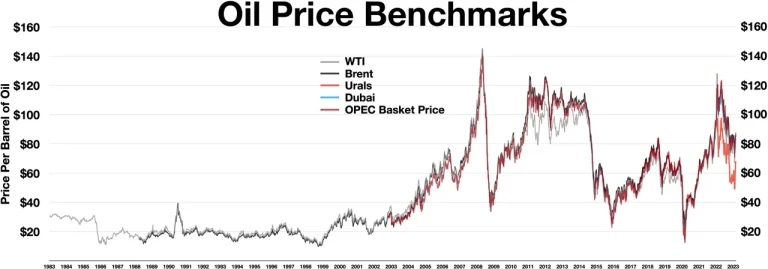
Trump Claims Oil Prices Won’t Drop Until After Midterms Amid Iran Tensions
Why It's Trending: The intersection of geopolitical conflict in the Middle East and domestic economic anxiety has triggered widespread public concern. Donald Trump's commentary on the trajectory of fuel prices adds a layer of political urgency to the ongoing energy crisis. Readers are searching for clarity on whether these market fluctuations are tied to policy or international instability.
The Reality Check: While geopolitical tensions in Iran have undeniably pressured global energy markets, experts remain divided on the direct correlation between these events and domestic mid-term election cycles. The situation underscores the extreme sensitivity of oil pricing to rumors of war and supply chain disruptions.
In an increasingly volatile geopolitical climate, former President Donald Trump has weighed in on the surging cost of fuel, suggesting that the current oil price spikes—exacerbated by tensions with Iran—are unlikely to stabilize before the upcoming midterm elections. As energy costs remain a top-of-mind issue for voters, his comments have ignited a fresh wave of debate regarding the influence of international conflict on the American pocketbook.
The Geopolitical Ripple Effect on Energy Markets
The global oil market is notoriously reactive to instability in the Middle East. With Iran playing a central role in regional power dynamics, any escalation in rhetoric or military posturing frequently results in immediate market volatility. Investors and analysts alike are tracking how these external pressures translate into the price per barrel at the pump.
“The oil prices that spiked because of the Iran war are unlikely to come down until after the midterms,” Trump noted, emphasizing the long-term nature of the current economic pressure.
Several factors are contributing to this sustained high pricing:
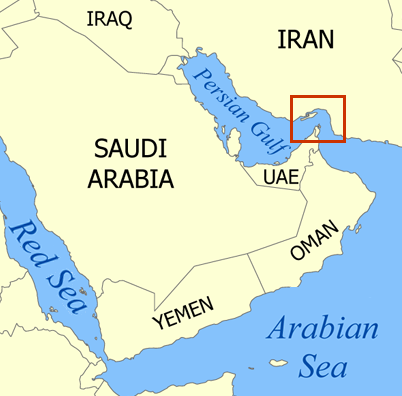
- Supply Chain Sensitivity: Fear of potential blockades or infrastructure damage in the Persian Gulf.
- Market Speculation: Traders hedging against the uncertainty of future military engagements.
- Global Demand: The persistent need for energy despite inflationary pressures on the consumer.
Economic Implications for the American Voter
For the average household, the cost of gas is more than just a line item; it is a barometer for the health of the economy. When prices remain elevated, discretionary spending drops, creating a ripple effect across retail and service sectors. The timing of these spikes, coinciding with a critical electoral period, ensures that energy policy will remain a central pillar of political discourse.
While political figures often point to external catalysts, the reality of the energy market is multifaceted. It involves a delicate balance of OPEC+ production quotas, domestic drilling capacity, and the global shift toward renewable alternatives. As the midterms approach, the ability of the current administration to mitigate these costs—or the ability of opposition leaders to capitalize on them—will likely shape the final weeks of the campaign trail.
💡 Frequently Asked Questions
❓ What is the key update?
Donald Trump has projected that oil prices, which have spiked due to conflict-related tensions with Iran, will remain high through the midterm election cycle.
❓ Why is this significant?
Energy prices are a major driver of inflation and voter sentiment; prolonged high costs can significantly influence political outcomes during election seasons.
❓ What happens next?
Market analysts will continue to monitor the situation in the Middle East for further escalation, which would likely keep oil prices volatile in the near term.
🔥 Recommended For You
Touch to Read Next
A 5-Year-Old Sang Sinatra on AGT and Left Simon Cowell Speechless

Apple Shakes Up iPhone Release Cadence in Historic Shift

Measles Exposure Warning Issued for Strong Memorial ER