Miliband Defends UK Stance on Israeli West Bank Settlements

Why It's Trending: The UK's outspoken diplomatic position regarding Israeli West Bank settlements has sparked intense international debate across global news feeds. High-level political commentary has brought the complex geopolitical issue back to the forefront of foreign policy discussions. Observers are closely monitoring how this diplomatic friction might impact broader UK-Israel relations and Middle East peace efforts.
The Reality Check: The UK's decision to publicly challenge West Bank settlements reflects a calculated shift in diplomatic rhetoric, though concrete policy shifts remain subject to ongoing international negotiations. Understanding the nuance between political statements and binding legal actions is essential for contextualizing these developments.
In an increasingly polarized diplomatic landscape, the United Kingdom’s recent assertions regarding Israeli settlements in the West Bank have ignited a fresh wave of international discourse. Senior political figures have emphasized the necessity of addressing territorial expansions directly, signaling a resolute approach to long-standing Middle East policies. This diplomatic positioning underscores a growing tension between allied nations concerning the legal status and humanitarian implications of West Bank developments.
The Diplomatic Shift and International Fallout
The decision to explicitly ‘call out’ settlement activities marks a notable pivot in how Western allies communicate their grievances over regional developments. For years, diplomatic channels often favored private admonitions over public rebukes. However, mounting concerns over regional stability and adherence to international law have prompted a more transparent approach from London.
“We had to call out what is happening on the ground because silence in the face of ongoing expansion undermines the viability of a future peace framework.”
Critics of the current trajectory argue that public reprimands can strain essential alliances and complicate delicate backchannel negotiations. Conversely, advocates for a firmer stance maintain that accountability and transparency are paramount for maintaining the credibility of international law and human rights standards.
Broader Geopolitical Implications
As governments navigate the intricate web of international alliances, statements from prominent political figures carry weight that extends far beyond immediate news cycles. The discourse surrounding West Bank settlements touches upon core principles of sovereignty, international consensus, and the future of regional diplomacy.
- Increased scrutiny on international trade and settlement-linked commerce.
- Heightened debates within multilateral organizations regarding legal frameworks.
- Potential shifts in bilateral diplomatic engagements between the UK and regional stakeholders.
Ultimately, the ongoing dialogue highlights the delicate balance international leaders must maintain between upholding foundational legal principles and preserving strategic partnerships in a volatile geopolitical arena.
💡 Frequently Asked Questions
❓ What prompted the UK's recent statements on West Bank settlements?
The UK's statements were driven by growing international concerns over territorial expansions and their impact on the viability of a future peace framework.
❓ How has the international community responded to the UK's stance?
Reactions have been mixed, with some nations praising the transparency and commitment to international law, while others express concern over potential strains on diplomatic alliances.
❓ Will these statements lead to immediate policy changes?
While the remarks signal a shift in rhetorical posture, concrete policy and legislative changes depend on ongoing diplomatic evaluations and international consensus.
🔥 Recommended For You
Touch to Read Next
Apple Event 2026: Foldable iPhone & iPhone 18 Pro Unveiled

Amazon Cargo Jet Pilots Tried Aborting Landing: N.T.S.B.
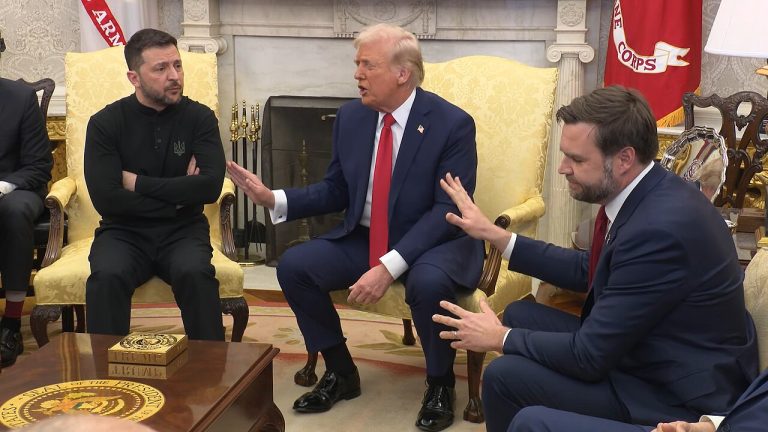
Trump and Vance Headline Day 2 of Major Republican Event