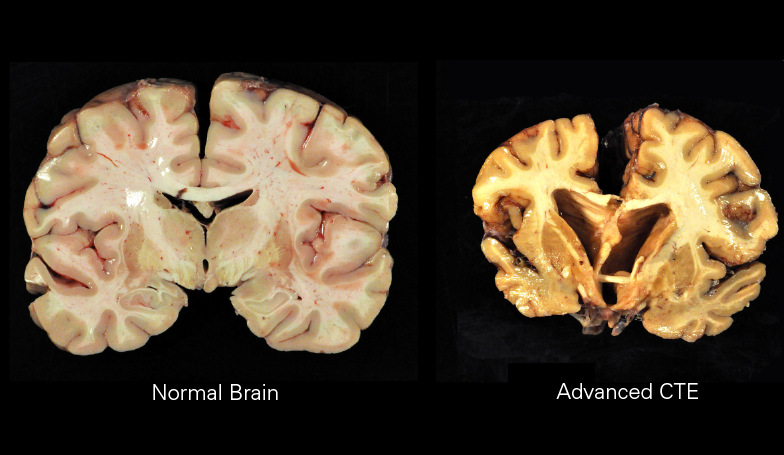
For decades, millions of health-conscious adults have relied on daily multivitamins, memory-boosting extracts, and herbal concoctions to protect their cognitive functions as they age. However, a growing chorus of neuroscientists and geriatric researchers are beginning to voice a startling concern: far from protecting the mind, certain popular over-the-counter supplements might actually be harming the aging brain. As highlighted in recent reports by medical authorities and major investigative journalism, the multi-billion-dollar wellness industry operates with surprisingly loose oversight regarding long-term neurological impacts.
The Hidden Risks of Unregulated Cognitive Enhancers
The allure of a quick cognitive fix is powerful, particularly for aging populations looking to stave off memory loss and mental fog. Yet, unlike prescription pharmaceuticals, dietary supplements do not undergo rigorous clinical trials for safety and efficacy before hitting store shelves. Researchers are now finding that high doses of certain vitamins, antioxidants, and botanical extracts can accumulate in bodily tissues or interfere with delicate neurological chemistry. Over time, what was meant to be a healthy boost can induce oxidative stress or counteract essential prescribed medications.
“We are seeing an alarming disconnect between the public perception of natural supplements and the actual biochemical reality inside the aging human brain.”
Key concerns highlighted by clinical researchers include:
- Over-supplementation toxicity: Accumulation of fat-soluble vitamins and minerals that the aging liver and kidneys struggle to process efficiently.
- Drug interactions: Unregulated botanical ingredients that negatively alter the absorption or potency of critical blood thinners, blood pressure medications, and cognitive therapeutics.
- Lack of standardization: Variable potency across different brands, meaning consumers often ingest vastly higher doses than intended.
Shifting Toward Food-First Nutritional Science
The medical consensus is rapidly pivoting back to fundamentals: true cognitive resilience is best achieved through a balanced, whole-food Mediterranean diet, regular cardiovascular exercise, and rigorous mental engagement rather than a capsule. As regulatory bodies face mounting pressure to scrutinize the supplement market, consumers are urged to adopt a more cautious, skepticism-driven approach to their medicine cabinets. Transparency, clinical validation, and open dialogue with primary care physicians are now more critical than ever for safeguarding long-term brain health.
No, but researchers warn that high doses of unregulated vitamins and herbal extracts can accumulate and negatively interact with brain chemistry and prescription medications.
Unlike prescription drugs, dietary supplements do not require pre-market approval from regulatory agencies like the FDA to prove their safety and long-term efficacy.
Experts recommend a nutrient-dense whole-food diet, regular physical exercise, quality sleep, and consulting a physician before starting any new supplement regimen.
💡 Frequently Asked Questions
❓ Are all dietary supplements bad for cognitive health?
❓ Why aren't these risks caught before supplements are sold?
❓ What is the safest way to support an aging brain?