Local health officials have issued an urgent advisory warning community members about a potential measles exposure linked to the emergency department at Strong Memorial Hospital. The alert comes as medical authorities scramble to identify and notify individuals who may have crossed paths with the infectious case, highlighting the persistent public health challenges posed by vaccine-preventable diseases in busy healthcare settings.
Understanding the Timeline and Exposure Windows
Measles is widely recognized as one of the most contagious viral illnesses known to medical science, capable of lingering in the air for up to two hours after an infected person leaves a room. Health department investigators have pinpointed specific dates and timeframes when the infected individual was present in the emergency department waiting areas and treatment bays. Patients who were receiving care during these critical windows are being urged to check their immunization records immediately.
- Check your personal and family vaccination records for the MMR (Measles, Mumps, and Rubella) vaccine.
- Monitor closely for early symptoms, which typically include high fever, cough, runny nose, and red, watery eyes.
- Call your primary care physician or local health department before arriving at a clinic if symptoms develop, to prevent further exposure in waiting rooms.
Public health is a shared responsibility, and swift notification is our best tool to prevent a localized exposure from turning into a wider community outbreak.
The incident underscores the extreme vulnerability of hospital emergency rooms, where immunocompromised patients, infants too young to be vaccinated, and individuals with unknown immune statuses converge seeking urgent medical attention. Hospital administration and county epidemiologists are working in tandem to contact high-risk individuals directly while managing facility-wide safety protocols.
Broader Public Health Implications and Next Steps
As health departments continue contact tracing, the focus shifts toward community immunity levels. Public health agencies are strongly reinforcing the critical importance of maintaining high MMR vaccination rates across all demographics. Measles was previously declared eliminated in the United States, but declining vaccination rates in recent years have sparked renewed concern over preventable resurgences.
Residents who believe they may have been exposed and are unsure of their vaccination status should act quickly. Post-exposure prophylaxis, including the MMR vaccine administered within 72 hours or immune globulin within six days, can significantly reduce the risk of developing the disease or lessen its severity.
The exposure occurred at the emergency department of Strong Memorial Hospital, prompting county health officials to issue a public warning.
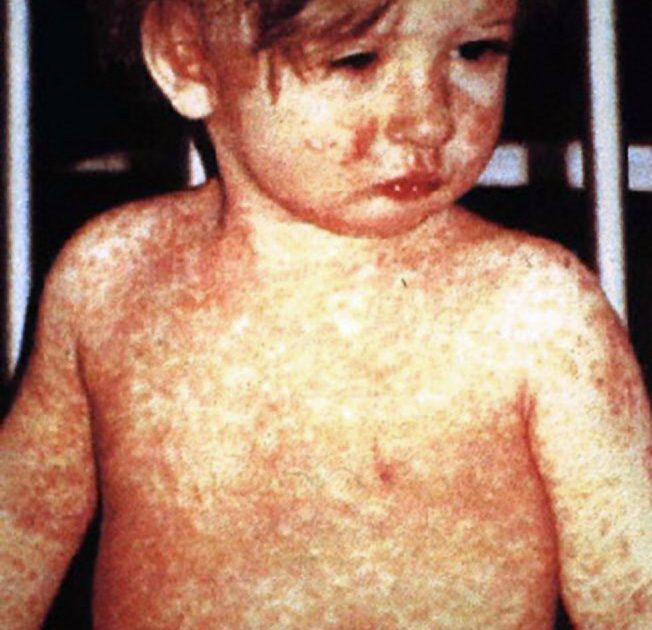
Early symptoms typically include a high fever, cough, runny nose, red and watery eyes, followed a few days later by a characteristic rash that spreads from the face downward.
Check your vaccination records and immediately call your healthcare provider or local health department before visiting any medical facility to avoid exposing others.
💡 Frequently Asked Questions
❓ Where did the potential measles exposure occur?
❓ What are the early symptoms of measles?
❓ What should I do if I think I was exposed?