Air Traffic Chaos: Thousands Stranded as UK Flight Delays Persist
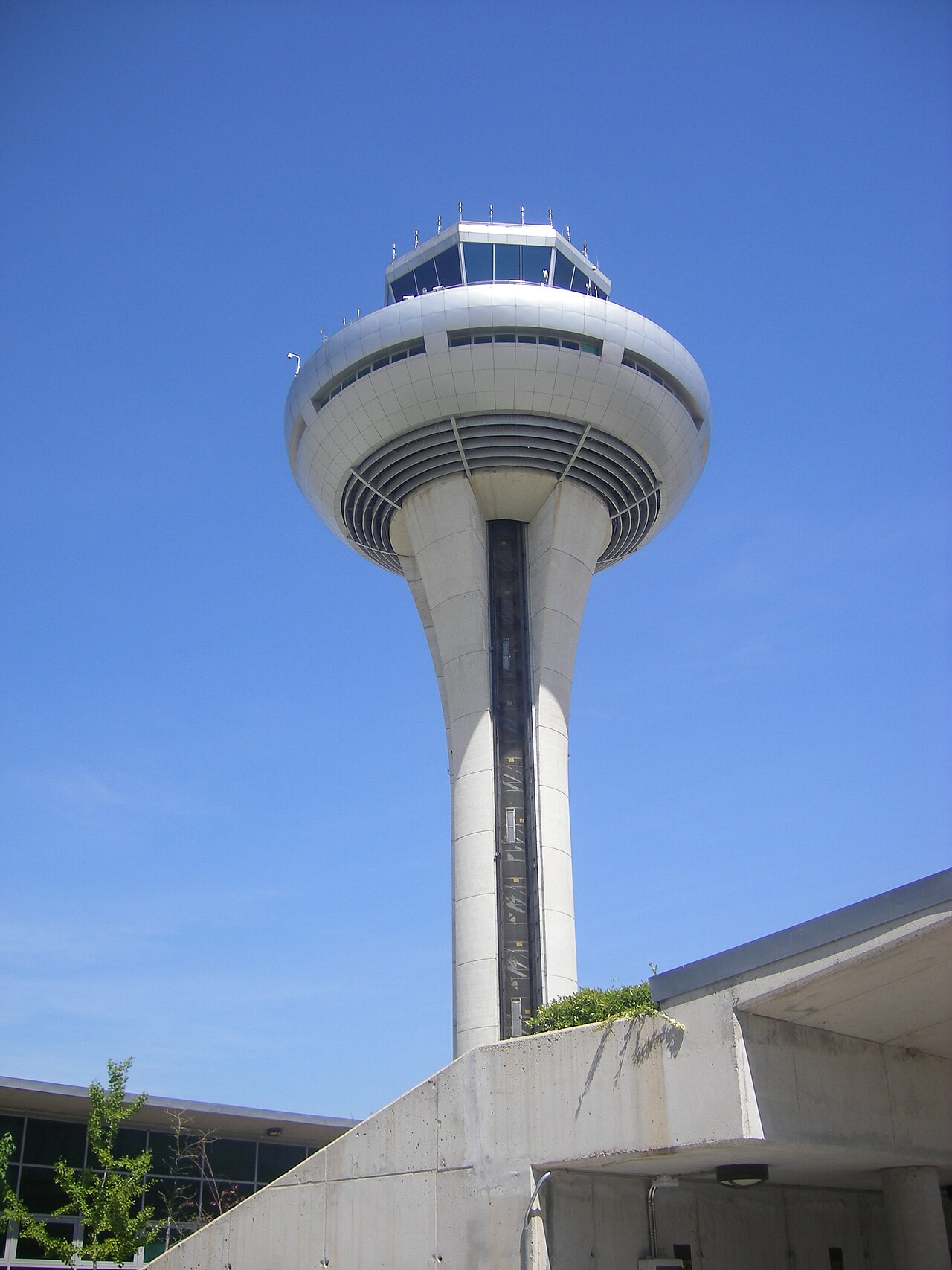
Why It's Trending: A critical technical failure in the UK's National Air Traffic Services (NATS) forced a shift to manual flight planning, paralyzing one of the world's busiest airspaces. Although the technical issue was resolved, the logistical nightmare of displaced crews and aircraft has triggered a massive backlog. Travelers are flooding search engines for real-time updates on cancellations and compensation rights.
The Reality Check: While the core system failure was rectified within hours, the 'knock-on' effect means the aviation network will take days to stabilize. Passengers should expect continued volatility and must verify flight statuses before traveling to the airport.
The dream of a smooth bank holiday return turned into a logistical nightmare for hundreds of thousands of travelers as a ‘technical issue’ at the heart of the UK’s air traffic control system triggered a wave of cancellations that will ripple through the week. What began as a glitch in the National Air Traffic Services (NATS) flight planning system has evolved into a global scheduling crisis, leaving families stranded across Europe and beyond.
The Technical Failure: A Manual Bottleneck
The disruption began when NATS experienced a failure that prevented the automatic processing of flight plans. This forced air traffic controllers to input data manually—a grueling, slow-motion process that drastically reduced the number of flights the UK airspace could safely handle. While the system was eventually restored, the damage to the day’s schedule was already absolute.
“We are working closely with airlines and airports to manage the flights affected. Our priority is always to ensure that every flight in the UK remains safe,” NATS stated during the height of the crisis.
- Over 500 flights were cancelled within the first six hours of the failure.
- Major hubs including Heathrow, Gatwick, and Manchester reported the highest volume of disruptions.
- Airlines like British Airways, EasyJet, and Ryanair have warned that schedules remain ‘significantly disrupted.’
The Ripple Effect: Why the Chaos Persists
Restoring a computer system is a matter of hours; restoring a global flight network is a matter of days. The primary challenge now is the displacement of ‘assets’—both human and mechanical. Aircraft are currently sitting at the wrong airports, and flight crews have exceeded their legal working hours, meaning they cannot simply hop on the next available plane to resume service.
Transport Secretary Mark Harper has warned that the knock-on effects will likely continue for some time, as airlines scramble to rebook tens of thousands of displaced passengers during one of the busiest travel periods of the year. For many, the frustration is compounded by a lack of immediate information and the daunting prospect of finding alternative routes home amidst fully booked flights.
💡 Frequently Asked Questions
❓ What caused the UK flight cancellations?
A technical failure in the NATS flight planning system prevented automatic processing, forcing controllers to switch to manual entry and severely limiting airspace capacity.
❓ Am I entitled to compensation for the delays?
Under UK law (UK261), airlines are generally required to provide food, drink, and accommodation for significant delays, though 'extraordinary circumstances' like air traffic control failures may exempt them from additional cash compensation.
❓ How long will the flight disruptions last?
While the technical issue is resolved, industry experts and the Transport Secretary suggest that knock-on delays and cancellations could persist for several days as airlines reposition crews and aircraft.
🔥 Recommended For You
Touch to Read Next
Oil Hits $100 as US-Iran Conflict Escalates: Gas Prices Surge

Measles Exposure Warning Issued for Strong Memorial ER

She Had Only 500 Views—Then She Opened Her Mouth And Shook The World