NTSB: Amazon Cargo Jet Pilots Tried Aborting Landing
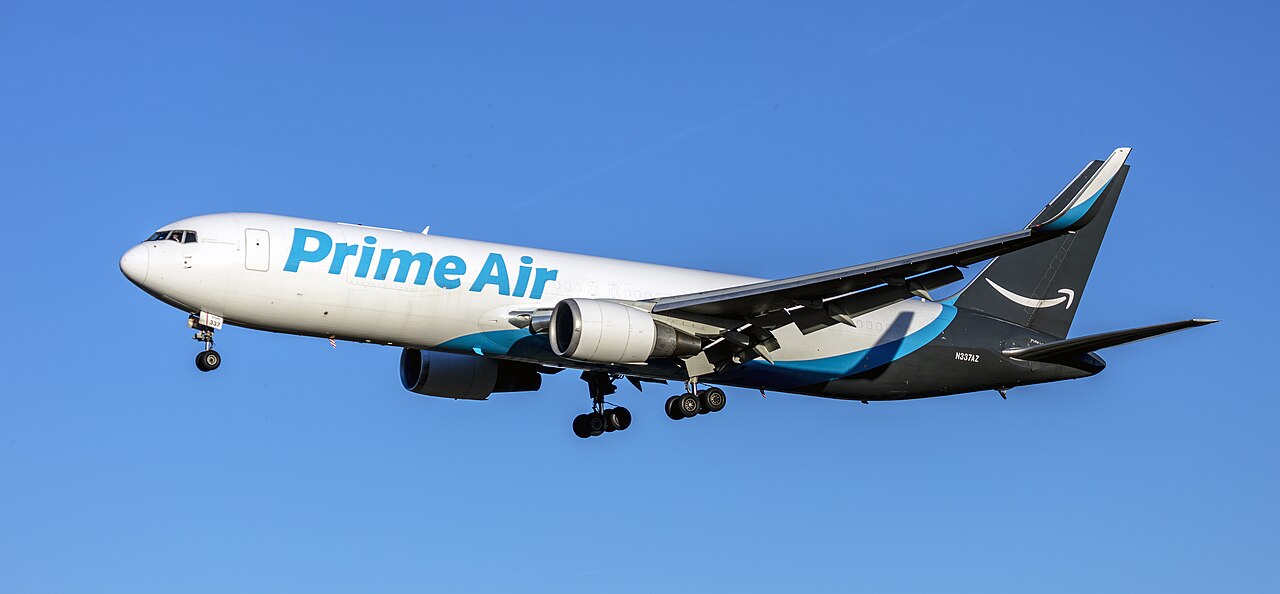
Why It's Trending: Federal investigators have released alarming new telemetry data indicating that the flight crew of a downed Amazon cargo jet made a last-second attempt to abort their landing. The revelation has shifted the focus of the ongoing National Transportation Safety Board (NTSB) investigation toward cockpit decision-making and operational pressures in the booming e-commerce logistics sector. Aviation experts and industry watchers are closely tracking the updates as questions mount over crew fatigue and procedural safety protocols.
The Reality Check: While preliminary telemetry suggests a late go-around attempt, the NTSB's comprehensive final report is still pending to determine the definitive chain of events. The incident has intensified scrutiny on the rapidly scaling cargo operations that power modern same-day delivery networks.
When the massive cargo aircraft bound for a major hub suddenly encountered trouble during its final approach, the immediate aftermath left investigators searching for answers. Now, critical new data from the National Transportation Safety Board (NTSB) has brought a chilling new perspective to the tragedy, revealing that the pilots in the cockpit appeared to execute a desperate, last-second maneuver to abort their landing.
Inside the NTSB Preliminary Findings
As federal authorities continue to dissect flight data recorders and cockpit voice logs, the timeline of the final moments has come into sharper focus. Investigators noted sudden engine power adjustments and control inputs that heavily suggest the flight crew recognized a critical hazard and tried to power out of the descent.
“The preliminary data indicates an abrupt change in aircraft trajectory and power application consistent with an attempted go-around maneuver in the final seconds of flight.”
This pivotal development shifts the narrative from a routine descent to a frantic final-attempt rescue mission orchestrated from the flight deck. Key elements currently under federal review include:
- Telemetry showing rapid throttle advancements moments before impact.
- Weather conditions and visibility metrics along the final approach corridor.
- Maintenance records and automated system alerts active in the cockpit.
- Crew duty schedules and potential fatigue factors leading up to the flight.
Implications for Commercial Cargo and E-Commerce Logistics
The spotlight on Amazon’s outsourced air cargo network has never been hotter. As consumer demand for rapid doorstep delivery surges, the backend logistics ecosystem faces unprecedented pressure to maintain tight schedules. This latest NTSB update is expected to trigger broader industry-wide audits regarding pilot training for aborted landings, emergency decision-making, and regulatory oversight of cargo-only carriers operating under intensive flight schedules.
💡 Frequently Asked Questions
❓ What did the NTSB find regarding the Amazon cargo jet?
Preliminary NTSB data indicates that the pilots attempted to execute a go-around or abort their landing just moments before the fatal crash.
❓ Why is this finding important for the aviation industry?
It shifts the investigation focus toward cockpit decision-making, potential split-second hazards on the runway approach, and the overall operational environment of cargo airlines.
❓ When will the final investigation report be released?
The NTSB typically takes anywhere from 12 to 24 months to complete a comprehensive aviation accident investigation and issue its final report and safety recommendations.
🔥 Recommended For You
Touch to Read Next
U.K. Parliament Rejects Landmark Assisted Dying Bill

Hands-On With Apple’s Foldable iPhone Duo: A New Era

Why People Are Finally Listening to AI Doomsday Warnings