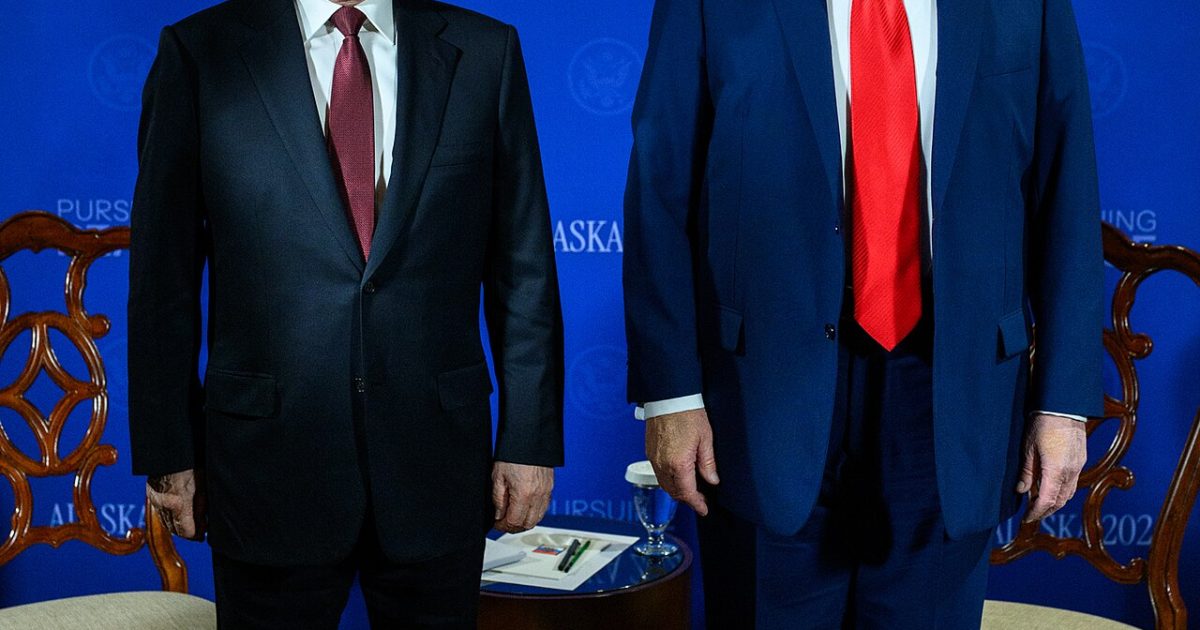
The geopolitical fault lines running through Eastern Europe have deepened following a stark and unequivocal warning from the Kremlin. Russian President Vladimir Putin has formally declared that any deployment of European military personnel to aid Kyiv on the ground will be interpreted as a direct act of war against Moscow. This aggressive rhetoric shatters diplomatic ambiguities, raising the stakes for NATO members who are currently navigating the fine line between deterring Russian aggression and avoiding a catastrophic direct confrontation between nuclear powers.
The Escalating Rhetoric and Western Deliberations
For months, the debate among Western allies has steadily shifted from supplying defensive weaponry to discussing more direct forms of engagement, including military training missions stationed inside Ukrainian borders. European leaders have grown increasingly vocal about securing a definitive Ukrainian victory to safeguard continental stability. However, Putin’s latest address makes it abundantly clear that crossing certain physical thresholds with uniformed personnel will elicit an immediate and asymmetric military response from Russia, effectively transforming localized support into a pan-European conflict.
- Putin explicitly links the deployment of European troops to a direct declaration of war.
- NATO allies face intense pressure to balance military aid with the prevention of global escalation.
- Intelligence agencies are actively monitoring potential Russian retaliatory measures against supply lines.
“Any attempt by European nations to introduce boots on the ground in support of Kyiv will cross a definitive red line, dragging the continent into an open and direct military conflict with Moscow.”
The immediate reaction from European capitals has been one of cautious recalibration. While defense ministers remain committed to supplying advanced munitions and financial backing, the prospect of putting soldiers in the line of fire is fraught with political and existential peril. The warning also arrives at a critical juncture for Ukraine’s military planners, who are currently seeking comprehensive solutions to shore up depleted frontlines against relentless Russian advances.
Global Implications and Strategic Reality Checks
As diplomatic channels strain under the weight of these threats, international observers are left assessing whether Putin’s ultimatum is a genuine precursor to wider hostilities or a psychological deterrent designed to fracture Western resolve. The unity of the NATO alliance is being thoroughly tested, with some member states advocating for maximum deterrence and others urging extreme diplomatic caution to prevent the war from spilling over borders.
Ultimately, this latest development serves as a grim reminder of the fragile state of global security. The margin for error in diplomatic calculus is narrowing rapidly, and every military decision made in Brussels, Washington, and Kyiv now carries the heavy potential of igniting a broader conflagration.
Putin warned that deploying European troops to aid Kyiv on the ground would be treated as a direct act of war against Moscow.
It forces NATO allies to carefully weigh the risks of direct military involvement against the threat of triggering a much wider, potentially nuclear conflict.
European capitals are recalibrating their support strategies, balancing the urgent need to aid Ukraine with the absolute necessity of avoiding direct military clashes with Russia.
💡 Frequently Asked Questions
❓ What did Vladimir Putin warn European nations about?
❓ Why is this warning significant for NATO?
❓ How are European leaders responding to the threat?