U.S. Bans Canadian Imports: Alcohol and Motorcycles Impacted
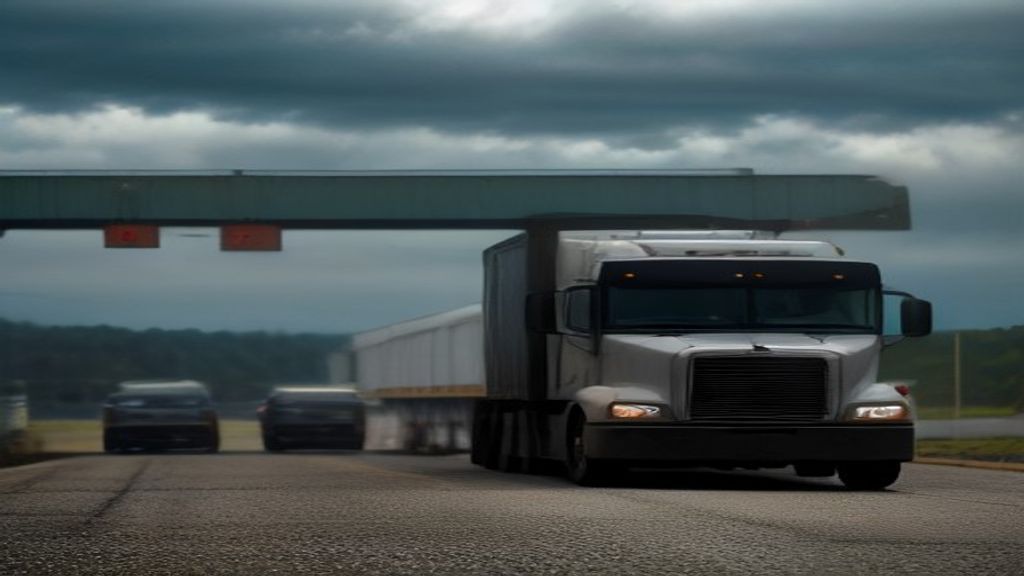
Why It's Trending: The United States government has officially announced stringent bans on specific Canadian imports, sending shockwaves through North American trade markets. Consumers and industry leaders are scrambling to understand how restrictions on cross-border alcohol and motorcycle shipments will affect supply chains. This sudden escalation in trade friction is currently dominating news feeds and search trends alike.
The Reality Check: While trade disputes between the U.S. and Canada are not entirely new, targeting specific consumer goods like alcohol and motorcycles marks a notable shift in policy enforcement. Industry analysts are closely monitoring potential retaliatory measures and the broader economic fallout for cross-border businesses.
In a surprising development that has sent ripples across the North American market, the United States has announced sweeping bans on key Canadian imports, prominently featuring alcoholic beverages and motorcycles. This regulatory crackdown marks a tense chapter in cross-border commerce, directly affecting manufacturers, distributors, and consumers who rely on the seamless flow of goods between the two neighboring nations.
The Background and Scope of the Trade Restrictions
Trade relations between the U.S. and Canada have historically remained robust, anchored by long-standing agreements and shared supply chains. However, recent regulatory friction has culminated in targeted bans that specifically single out high-profile consumer goods. Stakeholders across various industries are now forced to re-evaluate their logistical frameworks as customs agencies begin enforcing the new restrictions at ports of entry.
“These targeted import restrictions signify a pivotal shift in how cross-border trade compliance is being monitored and enforced between our two nations.”
Market observers note that the inclusion of alcohol and motorcycles is particularly strategic, as these sectors carry significant cultural and economic weight. Key elements driving the current situation include:
- Immediate enforcement protocols at U.S.-Canada border crossings.
- Heightened scrutiny on compliance documentation for manufacturing sectors.
- Potential supply chain bottlenecks affecting retail availability and pricing.
Economic Implications for Industries and Consumers
The immediate consequence of these bans will likely be felt on store shelves and showroom floors. Canadian beverage producers and motorcycle manufacturers now face substantial hurdles in maintaining their market share south of the border. Conversely, domestic U.S. competitors may experience a temporary surge in demand, though overall market volatility could drive up prices for end consumers.
As legal and trade experts pore over the specifics of the announcement, attention turns toward potential diplomatic negotiations. Whether these bans represent a permanent realignment of U.S. trade policy or a temporary leverage tactic remains to be seen, but the economic ramifications are already echoing through both economies.
💡 Frequently Asked Questions
❓ What Canadian imports are affected by the U.S. ban?
The recent U.S. restrictions specifically target certain Canadian imports, notably including alcoholic beverages and motorcycles.
❓ Why did the United States implement these import bans?
The bans stem from mounting regulatory and trade policy frictions between the two nations, aimed at enforcing stricter compliance and domestic protections.
❓ How will this impact everyday consumers?
Consumers may experience reduced availability and potential price increases for affected Canadian alcohol brands and motorcycle models in the U.S. market.
🔥 Recommended For You
Touch to Read Next
Apple Revamps iOS 27 Controls and Apps for iPhone Duo

U.K. Parliament Rejects Landmark Assisted Dying Bill
Rhode Island Governor Primary 2026: McKee vs. Foulkes