Iran War Updates: Oil Crosses $100 as U.S. Jets Struck in Jordan
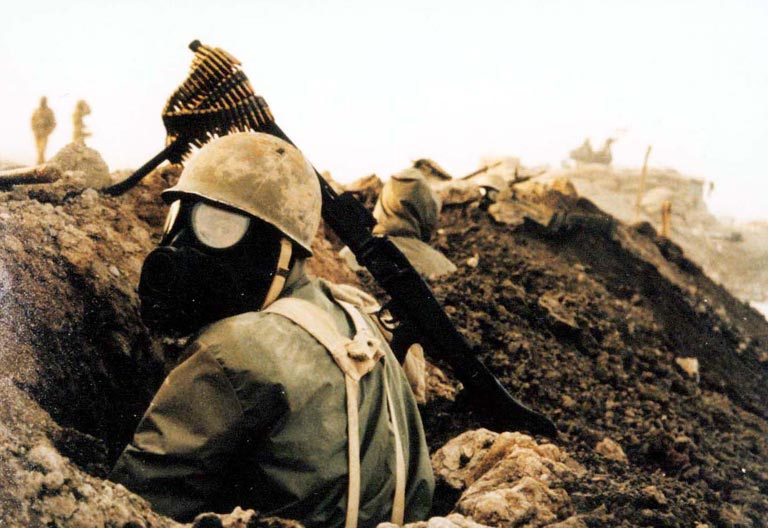
Why It's Trending: Global markets are in extreme turbulence as the conflict in the Middle East escalates sharply. Brent crude has officially broken past the psychological $100-per-barrel threshold following confirmed Iranian strikes on military installations in Jordan. The direct operational impact on U.S. assets has sent shockwaves through international diplomatic and financial corridors.
The Reality Check: While energy markets react violently to immediate supply disruption fears, diplomatic channels are scrambling to prevent a full-scale regional conflagration. Verified reports confirm structural damage to U.S. aircraft, marking a critical escalation point in ongoing hostilities.
Global energy markets have officially crossed a feared threshold as Brent crude surges past $100 per barrel following a dramatic escalation in Middle East hostilities. The latest crisis points stem from confirmed Iranian strikes targeting strategic positions in Jordan, resulting in structural damage to U.S. fighter jets stationed in the region. This development transforms a localized geopolitical standoff into a direct operational clash, immediately impacting global supply chains and economic stability.
The Escalation in Jordan and Market Shockwaves
The situation intensified rapidly when regional defense networks detected incoming projectile strikes aimed at coalition facilities. According to defense updates and major news reporting from outlets like CBS News, the impact zones included areas housing American military personnel and hardware. The resulting damage to U.S. fighter jets represents a significant tactical vulnerability, prompting immediate reinforcement of regional air defense batteries and emergency security briefings in Washington.
“The crossing of the $100 oil barrier is not just a market reaction; it is a real-time reflection of the physical risks now threatening global energy corridors and military logistics.”
Financial analysts note that energy traders had already priced in a baseline risk premium, but physical damage to advanced military assets and the persistent threat to regional shipping lanes have triggered aggressive buying. Major economic indicators point toward immediate inflationary pressures at fuel pumps worldwide, forcing central banks and governments to reevaluate their short-term economic forecasts.
Strategic Implications and Global Fallout
As diplomatic channels work frantically behind the scenes to de-escalate tensions, military planners are bracing for potential retaliatory cycles. Key takeaways from the ongoing situation include:
- Brent crude surpassing $100 per barrel for the first time in the current cycle, threatening global economic recovery.
- Confirmed structural damage to U.S. fighter jets following targeted Iranian strikes in Jordan.
- Heightened alert levels across all U.S. and allied military installations throughout the Middle East.
- Immediate supply chain re-routings to mitigate risks in critical regional shipping and transit choke points.
The coming days will prove critical in determining whether this kinetic exchange remains contained or sparks a wider regional conflict that reshapes global security and energy paradigms for the foreseeable future.
💡 Frequently Asked Questions
❓ Why did oil prices cross $100 per barrel?
Oil prices surged past $100 due to immediate fears of supply disruptions and the direct escalation involving strikes on military assets in Jordan.
❓ Were U.S. forces injured in the strikes?
Reports confirm that U.S. fighter jets sustained structural damage during the Iranian strikes in Jordan, with defense officials actively assessing operational impacts.
❓ What are markets expecting next?
Markets are bracing for sustained volatility, potential energy supply bottlenecks, and immediate inflationary impacts on global fuel and consumer goods.
🔥 Recommended For You
Touch to Read Next
Rebels Reportedly Used Anthropic’s AI to Build Guided Weapons

Anna Nicole Smith’s Daughter Delynn Birkhead Debuts Red Hair at 20

U.K. Parliament Rejects Landmark Assisted Dying Bill