Stock Futures Tumble As U.S. Oil Prices Surpass $100
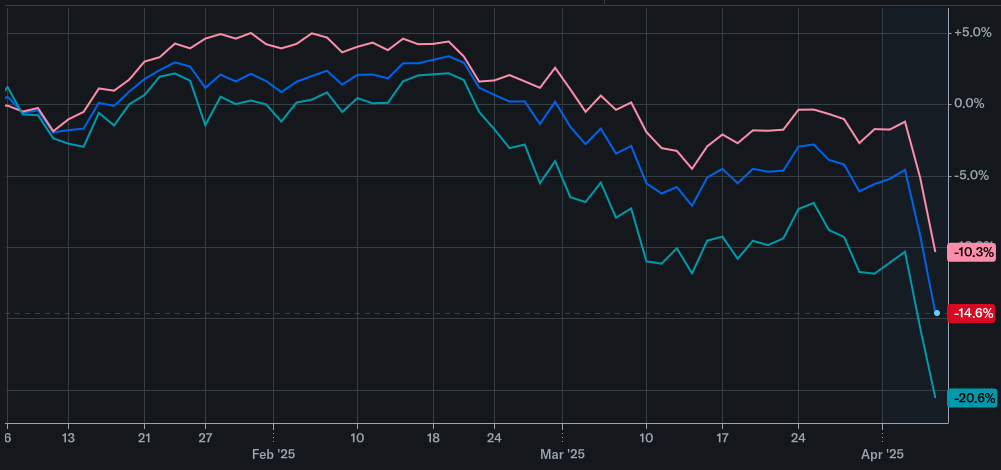
Why It's Trending: Global financial markets are experiencing severe volatility as energy benchmarks breach the critical $100-per-barrel threshold. Investors are rapidly reassessing risk portfolios amid intensifying supply chain concerns and geopolitical friction in key energy corridors. This sudden commodity spike has immediately triggered sell-offs across major U.S. stock index futures.
The Reality Check: The crossing of the $100 oil threshold introduces immediate inflationary pressures that complicate central bank monetary policy. While energy producers may see short-term gains, broader market sentiment remains deeply defensive.
Financial markets woke up to a severe shockwave as U.S. crude oil prices officially breached the psychologically critical $100-per-barrel milestone. The dramatic commodity surge immediately sent shockwaves through Wall Street, causing major stock futures to tumble sharply during pre-market trading sessions. Traders and institutional investors are rapidly scrambling to rebalance portfolios as energy costs threaten to accelerate inflation and squeeze consumer discretionary spending.
The Anatomy of the Market Sell-Off
The sudden escalation in crude prices is directly tied to compounding geopolitical tensions and tightening global supply constraints. As energy input costs rise exponentially, profit margins for manufacturing, transportation, and retail sectors face unprecedented compression. Key factors driving this market reaction include:
- U.S. benchmark crude oil surging decisively above the $100 threshold.
- Major stock index futures, including the Dow Jones, S&P 500, and Nasdaq, recording steep pre-market losses.
- Growing anxiety among investors regarding persistent inflationary pressures and potential central bank rate hikes.
“Markets are pricing in a worst-case scenario where sustained triple-digit energy costs act as a severe tax on global economic growth.”
The swiftness of the sell-off highlights just how sensitive modern equity valuations remain to sudden commodity shocks. Analysts note that prolonged stays above $100 a barrel historically correlate with economic slowdowns, forcing corporations to issue cautious forward guidance.
Broader Economic Implications and Outlook
Beyond immediate stock market declines, the surge in oil prices carries profound implications for everyday consumers at the gasoline pump and utility meter. Federal Reserve officials are closely monitoring energy sub-indices to gauge whether secondary inflationary effects will materialize. As live updates continue to unfold, market participants remain on high alert for emergency diplomatic interventions, strategic petroleum reserve releases, or shifting OPEC production quotas that could stabilize runaway energy valuations.
💡 Frequently Asked Questions
❓ Why did stock futures tumble?
Stock futures fell sharply after U.S. crude oil prices crossed $100 a barrel, raising concerns over surging inflation, higher corporate operating costs, and dampened consumer spending.
❓ What does $100 oil mean for consumers?
Sustained oil prices above $100 typically translate to higher prices at the gasoline pump, increased shipping costs for goods, and broader inflationary pressures across the economy.
❓ How are central banks expected to respond?
If high energy prices fuel persistent inflation, central banks like the Federal Reserve may feel compelled to keep interest rates elevated longer to cool economic demand.
🔥 Recommended For You
Touch to Read Next
Lindsay Clancy Jurors Speak Out on Mistrial’s Emotional Toll

Gaza Strike Kills At Least 4 Including Children Amid Mideast Escalation

Zelensky’s Flight Threatened by Drone Over Moldova