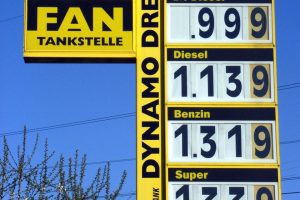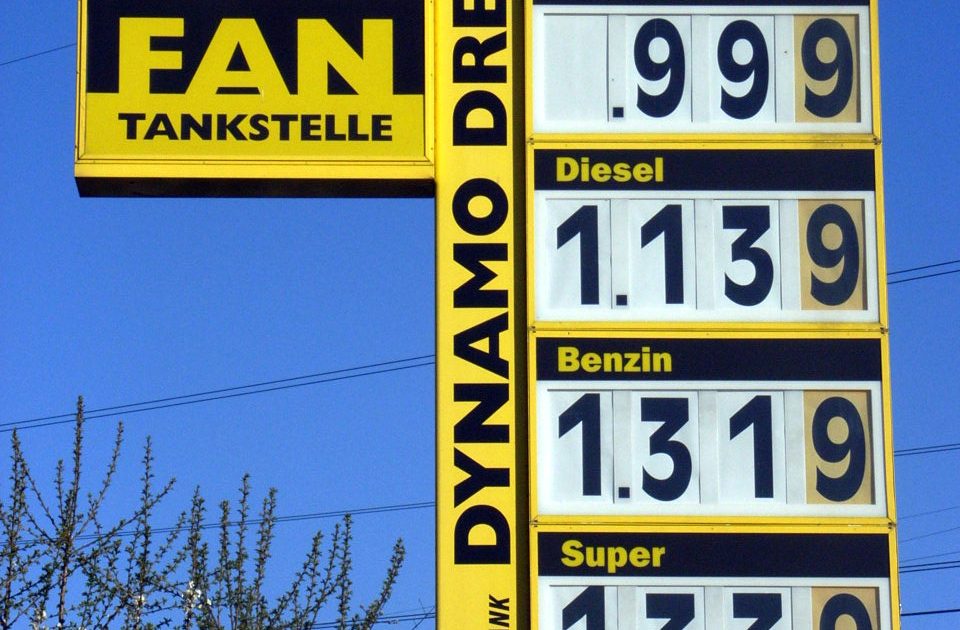
For millions of American commuters grappling with persistent cost-of-living pressures, relief has finally arrived at the neighborhood pump. For the first time since July, the national average for regular unleaded gasoline has dipped below the heavily watched $4-per-gallon mark, reversing months of anxiety for drivers.
The Road to Relief: What Dropped the Prices?
The sudden downward shift in fuel costs comes as a result of several converging economic factors, including a seasonal transition to cheaper-to-produce winter-blend gasoline and a temporary stabilization in crude oil markets. Industry experts point out that refinery output has managed to keep pace with domestic demand, preventing the severe spikes that typically plague the late-summer travel season.
“Drivers have endured a turbulent year at the pump, making this sub-$4 milestone a welcome psychological and financial victory as we head deeper into the fall.”
The decline has not been uniform across all regions, however. While states in the South and Gulf Coast are seeing averages well below the national threshold—often dipping under $3.50 a gallon—western states like California and Washington continue to hover at elevated levels due to local taxes and distinct regional refining regulations.
- National average for regular unleaded slips under the $4 threshold.
- First time prices have hit this low point since July.
- Winter-blend gasoline transition aids the price reduction.
- Regional disparities mean western states still face higher costs.
What This Means for Your Wallet and the Economy
Beyond individual savings during the daily commute, falling gas prices play a crucial role in broader economic sentiment. Energy costs are a primary driver of headline inflation; as fuel prices moderate, consumer discretionary spending often sees a minor bump. Families heading into the final quarter of the year finally have a bit more breathing room in their monthly household budgets.
Nevertheless, energy markets remain notoriously unpredictable. Geopolitical tensions, potential supply cuts from major oil-producing nations, and sudden weather events can quickly alter the trajectory of fuel prices. For now, though, American motorists are embracing the long-awaited financial breather.
Gas prices last fell below the $4-per-gallon threshold back in July before ticking upward during the peak summer travel months. The decline is primarily driven by the seasonal transition to cheaper winter-blend gasoline and a stabilization in domestic refinery output and crude oil costs.
No. While the national average has dipped below $4, high-cost states like California and Washington still maintain averages well above that mark due to state taxes and specific environmental regulations.
💡 Frequently Asked Questions
❓ When did gas prices last fall below $4 a gallon?
❓ Why are gas prices dropping right now?
❓ Are gas prices below $4 everywhere in the US?