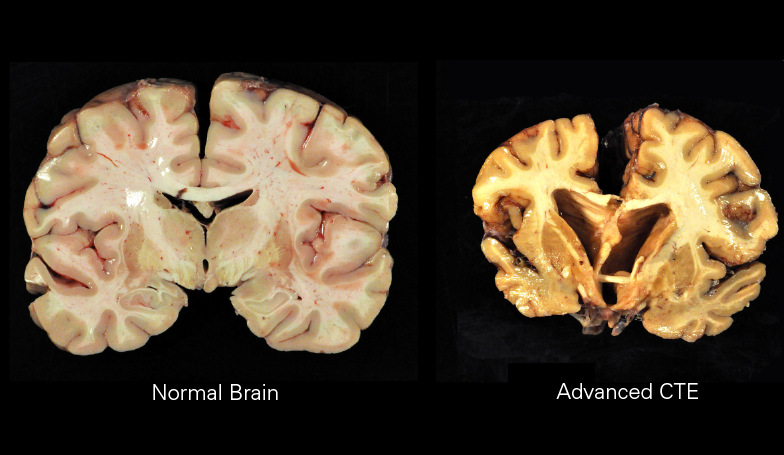
When we think about our bodies aging, we often picture wrinkles or graying hair, but the most critical changes are happening out of sight. Recent expert insights from skeletal biology researchers shed light on an invisible crisis: progressive bone loss. Understanding how our skeletons change over time is no longer just a concern for older demographics—it is a foundational aspect of lifelong wellness that demands our attention today.
The Silent Mechanics of Bone Remodeling
Our bones are not static, lifeless pillars; they are dynamic, living tissues undergoing a constant cycle of breakdown and rebuilding known as bone remodeling. Throughout our youth, our bodies build more bone than they break down, peaking in density around our late twenties. However, as we age, the cellular balance shifts. Osteoclasts, the cells responsible for breaking down bone tissue, begin to outpace osteoblasts, the cells that build it.
- Peak bone mass is typically achieved by age 30, making early prevention vital.
- Hormonal shifts, particularly the drop in estrogen during menopause, accelerate bone density decline.
- Sedentary lifestyles deprive bones of the mechanical stress necessary to stimulate growth.
“Bone loss is often called a silent disease because it progresses without symptoms until a sudden fracture shatters a patient’s independence.”
Actionable Strategies to Protect Your Skeletal Health
Fortunately, skeletal biology reveals that we are not entirely at the mercy of our genetics. Incorporating specific weight-bearing exercises, ensuring adequate calcium and vitamin D intake, and avoiding smoking and excessive alcohol consumption can dramatically slow the rate of bone degradation. Researchers emphasize that it is never too early—or too late—to invest in the structural integrity of your skeleton.
Peak bone mass is generally achieved by the late twenties or around age 30, after which maintaining density becomes the primary health focus.
Engaging in regular weight-bearing exercises, consuming sufficient calcium and vitamin D, and avoiding smoking and heavy drinking significantly protect bone density.
Bone loss typically occurs gradually without overt symptoms or pain, meaning many individuals do not realize they have compromised bone density until a fracture occurs.
💡 Frequently Asked Questions
❓ When does bone mass typically peak in humans?
❓ What lifestyle habits help prevent bone loss?
❓ Why is bone loss referred to as a silent disease?