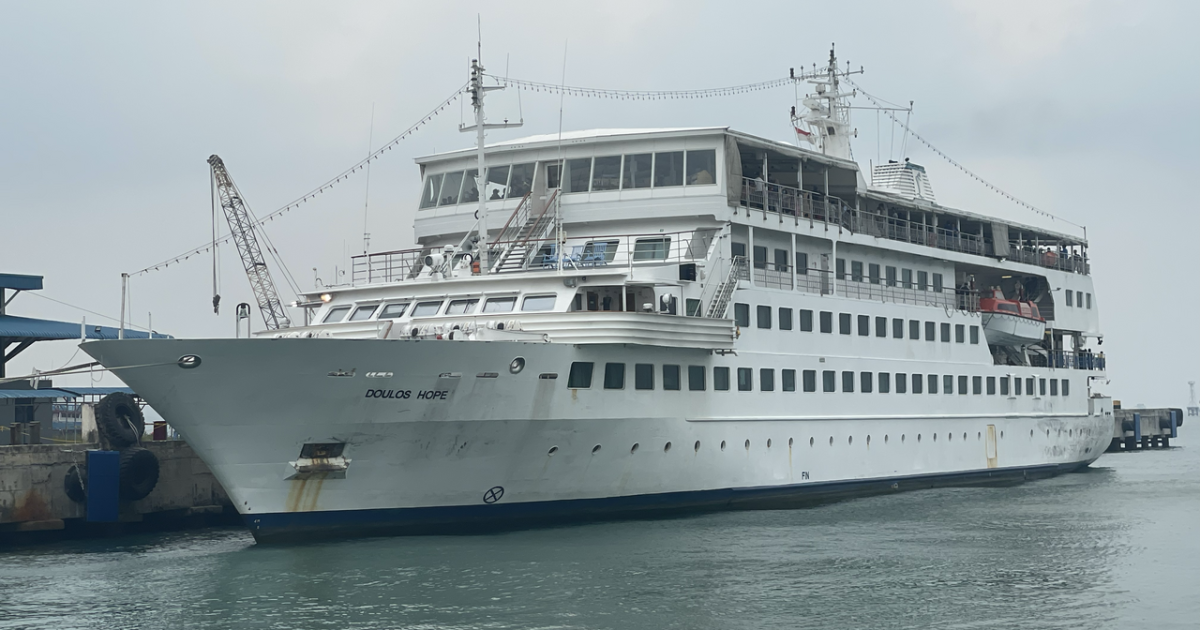
When vacationers book a dream cruise, they anticipate smooth sailing, luxury amenities, and reliable transportation back home. For hundreds of passengers aboard a struggling cruise liner, however, that fantasy abruptly shattered in the ports of Cambodia. Citing skyrocketing fuel costs that completely overwhelmed corporate balance sheets, the cruise line officially folded mid-itinerary, leaving travelers stranded thousands of miles from home.
The Mid-Voyage Collapse and Stranding in Cambodia
The sudden cessation of operations sent immediate shockwaves through the maritime industry and travel communities alike. Passengers reported being told with little warning that the voyage was terminated, forcing bewildered tourists to disembark in Cambodia and scramble for their own lodging and flights. The logistical failure highlights a brutal economic reality facing the global travel sector.
- Surging fuel prices crippled the cruise line’s daily operational budget.
- Corporate management failed to secure emergency bridge funding to complete the voyage.
- Passengers were left to navigate foreign travel logistics and unexpected out-of-pocket expenses.
“We paid for a complete vacation, only to be dumped on a dock with vague promises and zero corporate support,” shared one affected passenger.
Local authorities and embassy officials quickly stepped in to assist the stranded tourists, many of whom faced exorbitant last-minute airfares to return to their home countries. The incident has raised serious regulatory questions regarding consumer financial protection and mandatory insurance bonds for international maritime carriers.
Broader Implications for the Cruise and Travel Industry
As post-pandemic travel demand collides with persistent inflation and volatile geopolitical energy markets, industry analysts warn that this may not be an isolated incident. Smaller operators with older, less fuel-efficient fleets are facing an existential squeeze. Consumers are now urged to exercise extreme caution, utilize travel insurance, and thoroughly vet smaller independent cruise operators before booking long-haul itineraries.
The sudden operational collapse involved a smaller independent cruise operator that succumbed to mounting maritime fuel expenses, forcing disembarkation in Cambodia.
Affected travelers are largely forced to book their own return flights and accommodations, often with assistance from local embassies and diplomatic missions.
Obtaining refunds from a bankrupt or folded corporate entity can be extremely difficult, though passengers are pursuing claims through travel insurance and credit card chargebacks.
💡 Frequently Asked Questions
❓ Which cruise line folded and left passengers stranded?
❓ How are stranded passengers getting home?
❓ Will passengers get refunds for the canceled cruise?