Oil Prices Breach $100 Mark as Mideast Tensions Ignite Markets
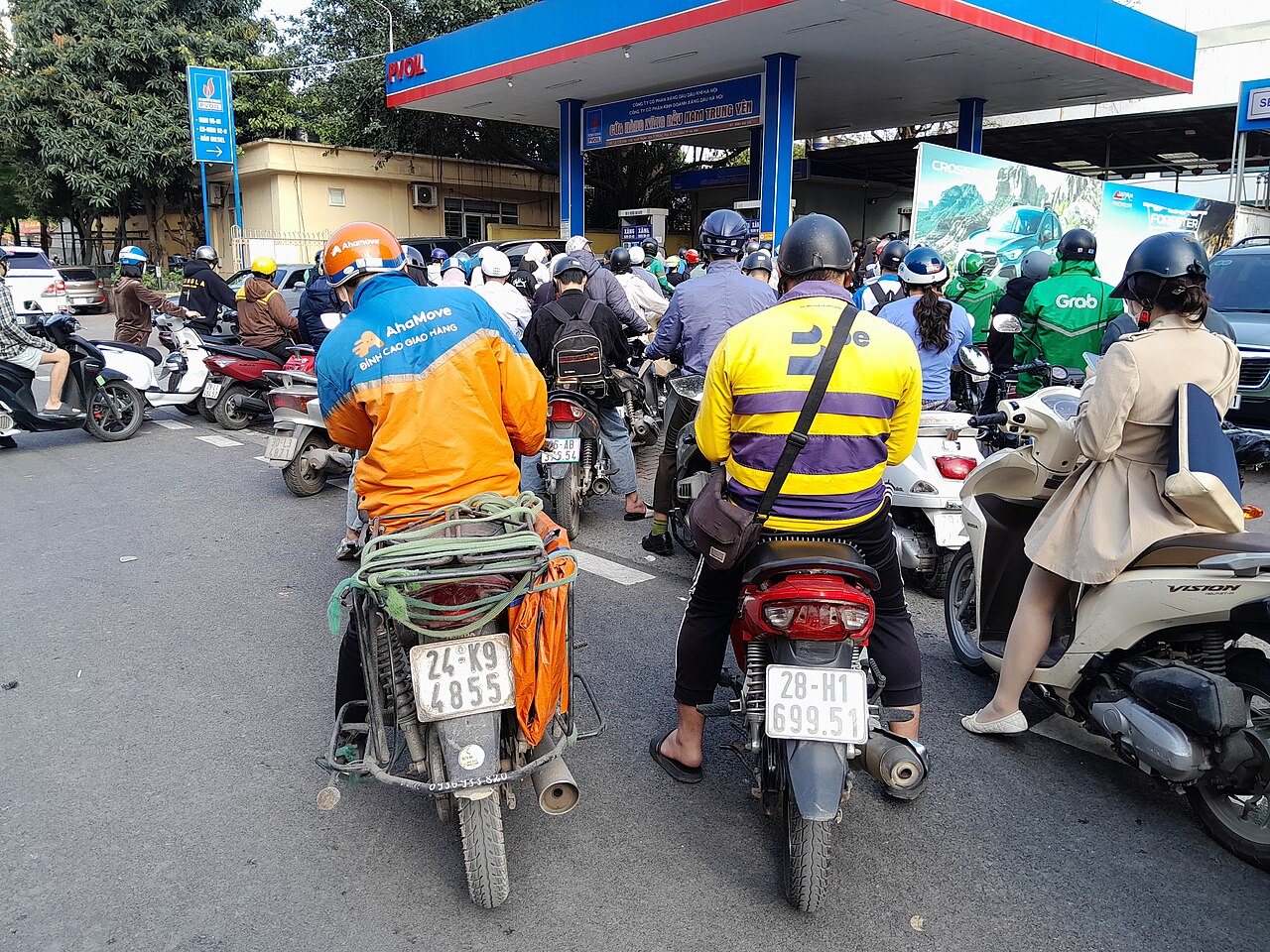
Why It's Trending: Global energy markets are reacting sharply to escalating military hostilities between the United States and Iran. The breach of the $100-per-barrel threshold has triggered immediate concerns regarding supply chain stability and inflationary pressure. Investors and consumers are closely monitoring the situation as geopolitical instability threatens to disrupt oil flow.
The Reality Check: The surge in oil prices reflects the market's sensitivity to Mideast instability, which directly impacts consumer costs at the pump. While price volatility is expected to continue, the long-term economic fallout depends on the duration and intensity of the military engagements.
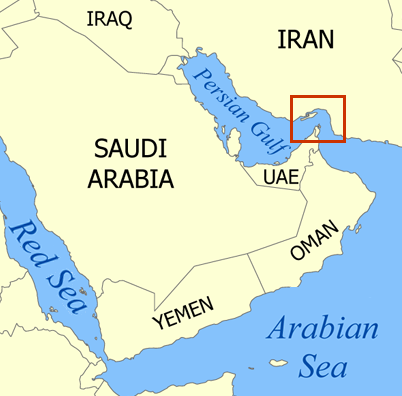
Global energy markets hit a critical inflection point today as crude oil prices surged past the $100-per-barrel mark, a psychological and economic threshold that has sent shockwaves through the financial sector. The spike follows an intense escalation in military activity between the United States and Iran, fueling fears of a protracted conflict that could choke off vital shipping lanes in the Persian Gulf.
The Geopolitical Catalyst
The sudden jump in energy costs is a direct response to the heightened risk of supply disruptions. As both nations engage in direct military strikes, traders are pricing in the ‘war premium’ that typically accompanies instability in the world’s most oil-rich region. The volatility is not limited to crude; retail gasoline prices across the United States have already begun to climb, signaling an immediate impact on the average consumer.
The market is reacting to the worst-case scenario: a sustained interruption of crude exports from the Persian Gulf.
- Immediate Supply Concerns: Traders are worried about the Strait of Hormuz, a critical chokepoint for global oil transit.
- Retail Impact: Gasoline prices are seeing an immediate uptick as refineries adjust to higher feedstock costs.
- Inflationary Pressure: Sustained $100+ oil threatens to reverse recent progress in cooling global inflation rates.
Economic Implications for the Consumer
Beyond the ticker symbols on Wall Street, the implications for the average citizen are stark. Higher oil prices translate directly into more expensive fuel at the pump, which in turn increases transportation and logistics costs for goods. This creates a ripple effect throughout the broader economy, potentially tightening household budgets just as many were adjusting to post-pandemic stabilization. As military posturing continues, the question remains whether diplomatic channels can intervene before the economic damage becomes structural.
💡 Frequently Asked Questions
❓ Why did oil prices cross $100 per barrel?
The surge is driven by heightened geopolitical instability following military strikes between the US and Iran, causing market fears of supply chain disruptions in the Persian Gulf.
❓ Will gas prices continue to rise?
Yes, retail gasoline prices are historically correlated with crude oil costs; as long as the 'war premium' remains in the market, consumers should expect higher prices at the pump.
❓ What is the primary risk to the global economy?
The primary risk is a sustained increase in energy costs, which acts as a tax on consumers and businesses, potentially driving up inflation and slowing global economic growth.
🔥 Recommended For You
Touch to Read Next
Drone Alert Delays Zelenskiy’s Norway Flight in Moldova

Rebels Reportedly Used Anthropic AI to Build Guided Weapons
Trump Claims Oil Prices Won’t Drop Until After Midterms Amid Iran Tensions